Campus City Project
Amsterdam
Project: Research
Location: Amsterdam, NL and globe
Year: 2011-2013
Program: Research into new forms of innovation and the campus as a future urban model
Client: Stimuleringsfonds Creative Industry & City of Amsterdam
Initiators: BurtonHamfelt Urban Architecture and OeverZaaijer Architectuur en Stedebouw
In collaboration with: Studio Makkink en Bey and Juurlink en Geluk urbanism landscape
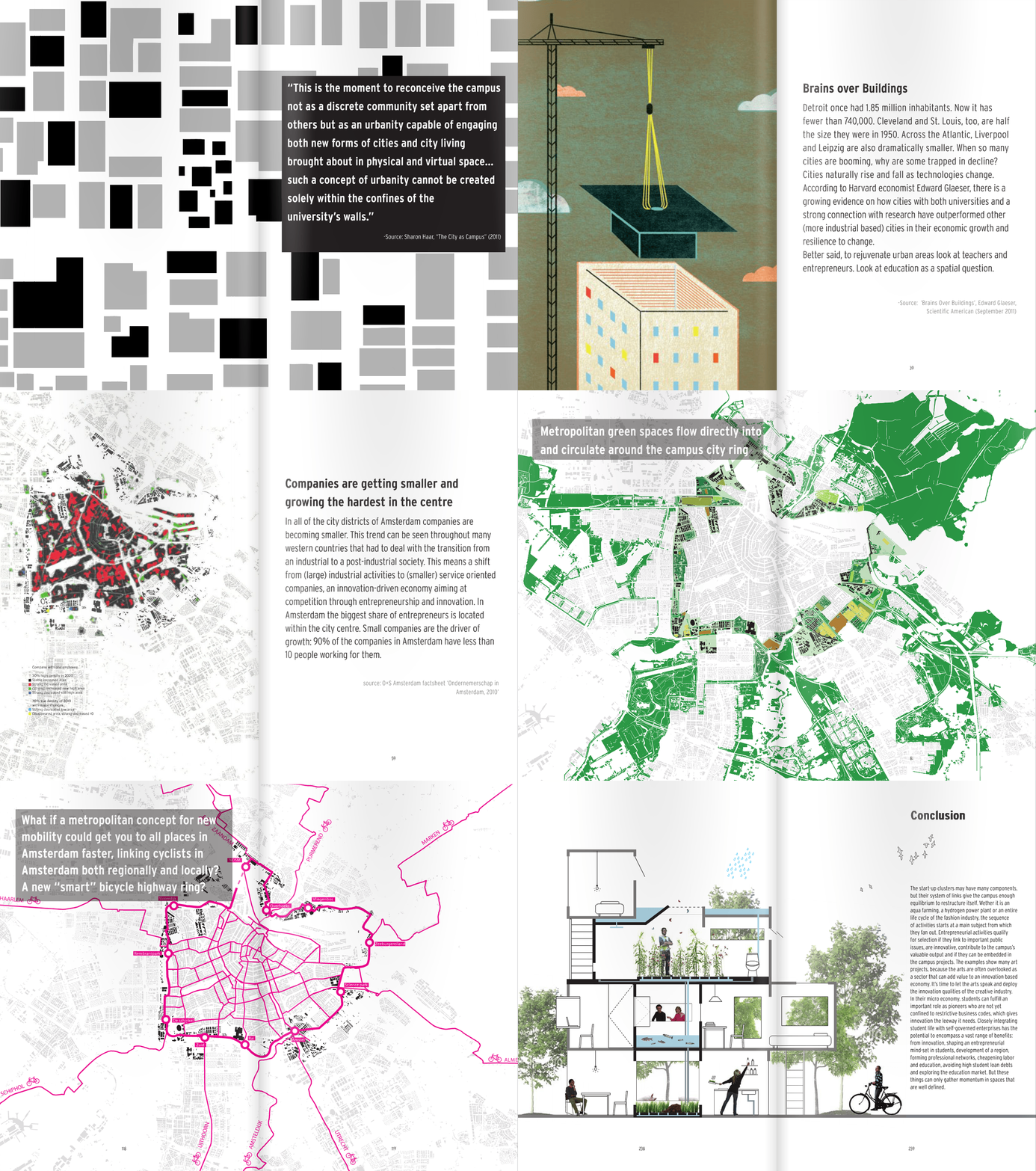
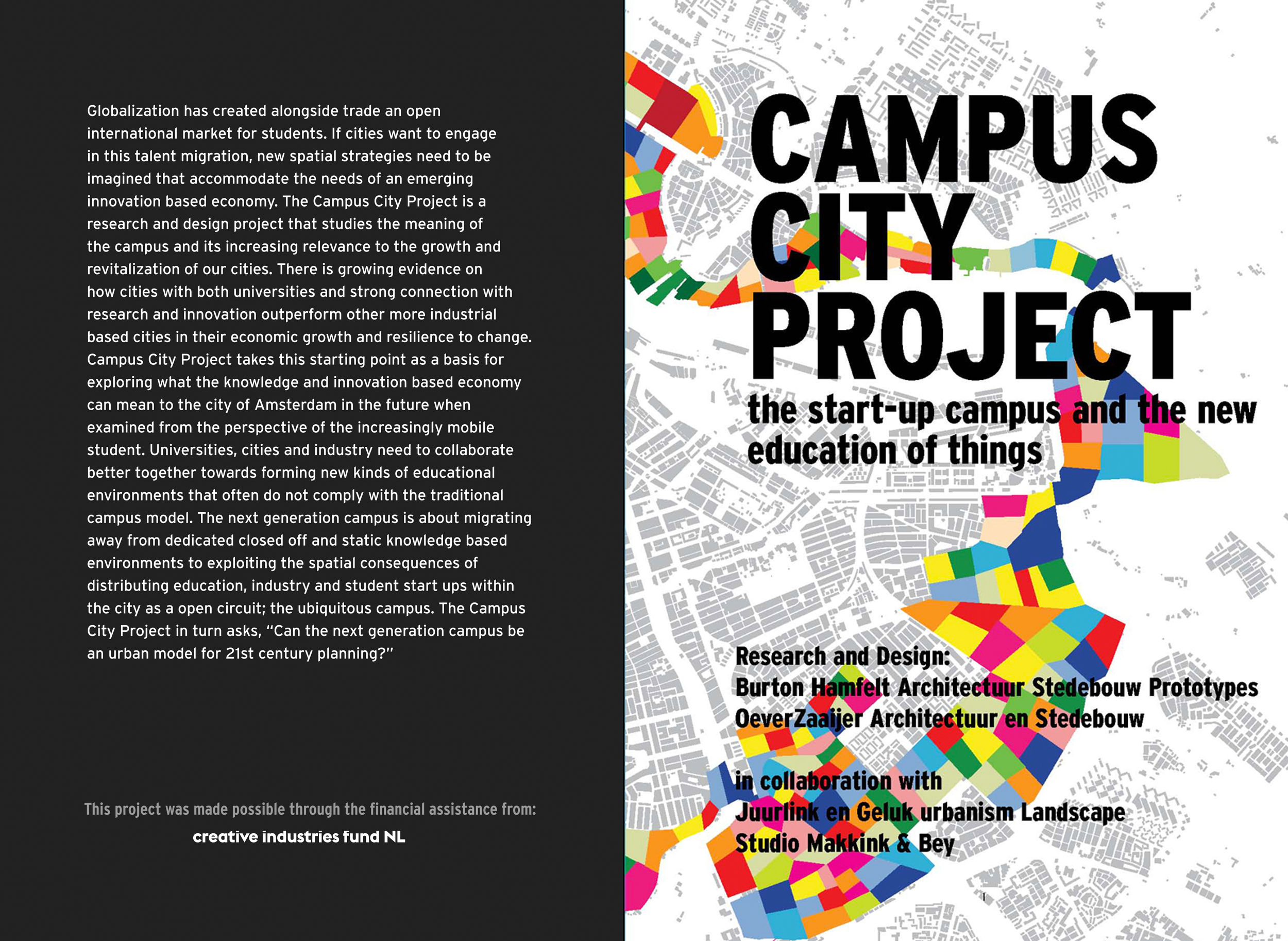
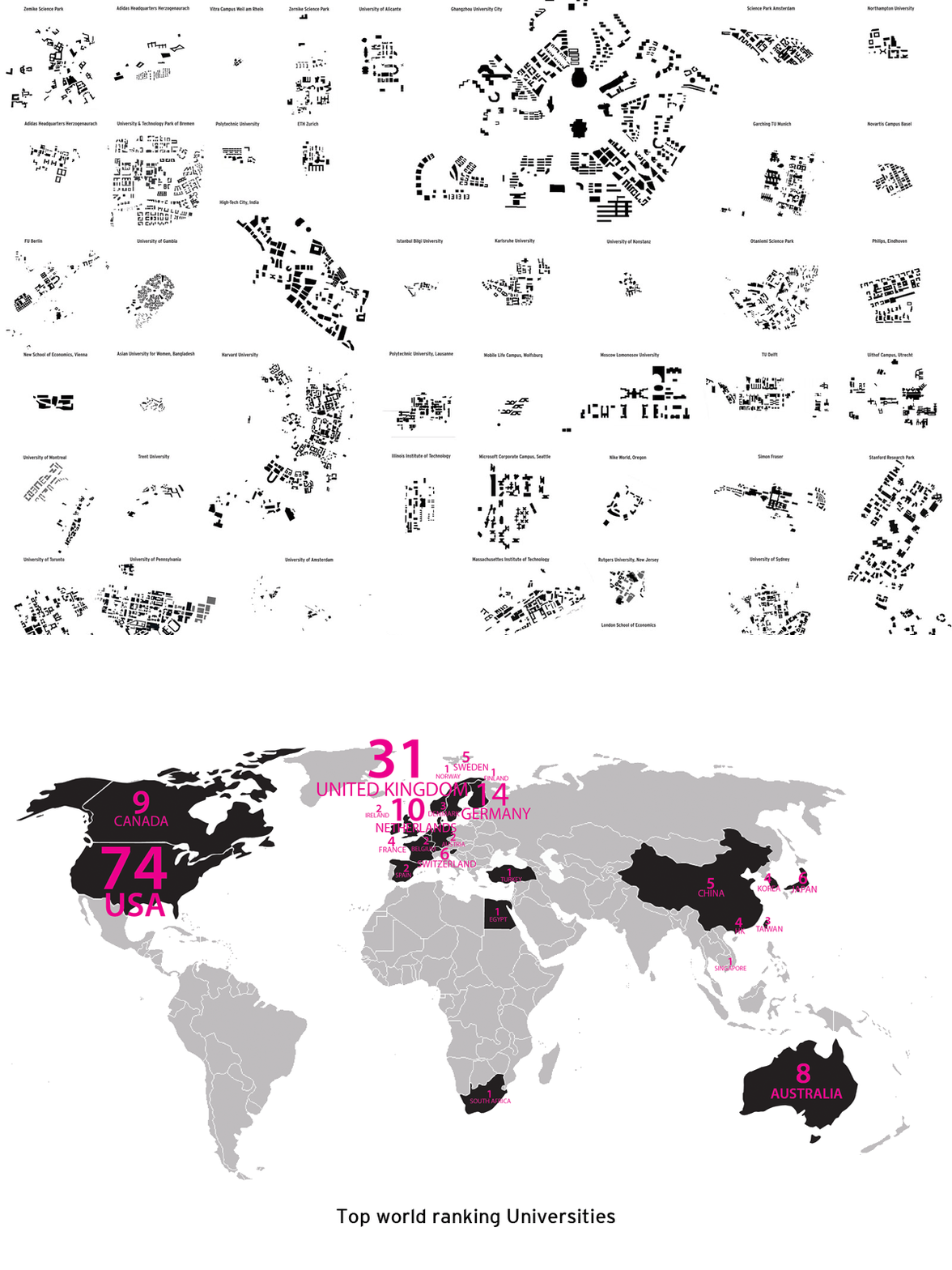
Globalization has created, alongside trade, an open international market for students. For cities that want to engage in this global talent migration, new spatial strategies are required—strategies that support an emerging innovation-based economy rather than relying on traditional industrial models. Campus Without Boundaries and the Campus City Project are research- and design-based initiatives that investigate the changing meaning of the campus and its growing relevance to urban growth and revitalization. They start from the observation that universities, cities and industry need to collaborate more closely to form new educational environments that no longer fit the classic image of the isolated, inward-looking campus. Instead of closed academic enclaves, learning increasingly takes place across networks, in hybrid settings where education, research, entrepreneurship and everyday urban life intersect. The central question driving the projects is therefore whether the next-generation campus can evolve into an urban model for the city itself.
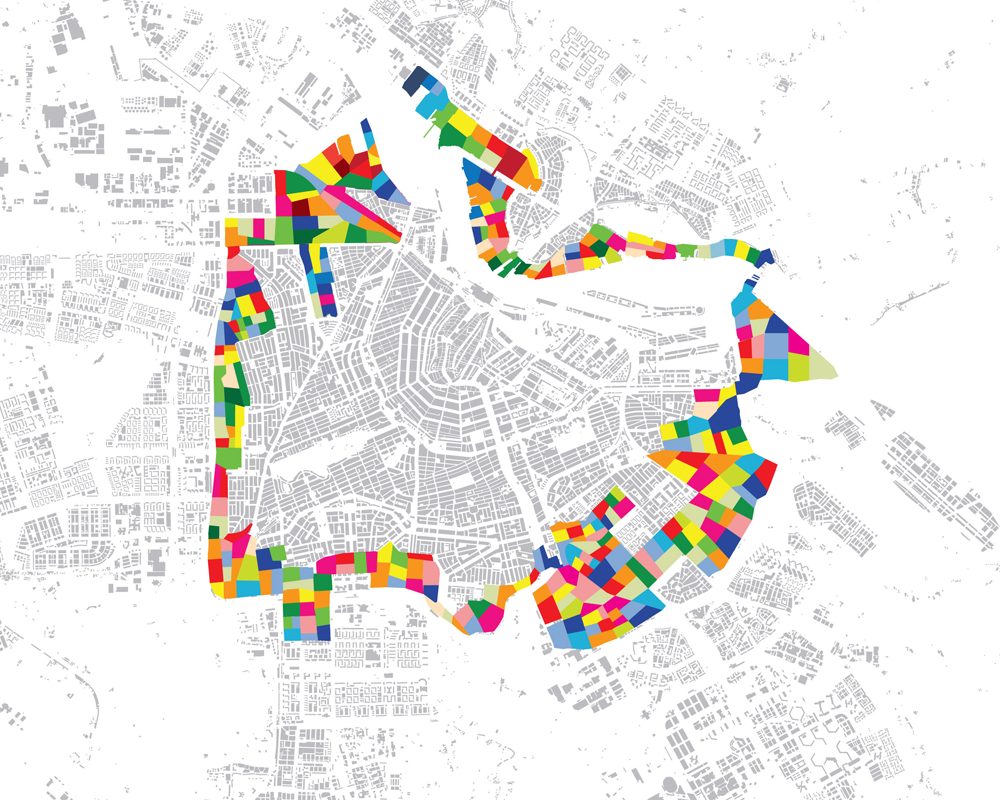
There is increasing evidence that cities with strong universities and deep connections to research and innovation outperform more industrially oriented cities in terms of economic growth and resilience. The Campus City Project takes this insight as a starting point and explores what a knowledge- and innovation-based economy could mean for Amsterdam from the perspective of the highly mobile student. The project proposes a shift from static, single-site campuses to a distributed and “ubiquitous” campus: a network of learning spaces, start-ups and research environments embedded within the city as a continuous circuit. By organically extending the urban centre toward the A10 ring road, the project imagines a new circular urban condition in which infrastructure, public space and mixed-use density work together. The Amsterdam Ringzone becomes the focus of this vision—a new urban campus belt that connects inner-city intensity with outer-city opportunities and positions education as a driver of regeneration, innovation and inclusive urban life.