
Motorkade
Amsterdam, NL
Location: Hamerkwartier, Amsterdam, NL
Year: 2020-ongoing (phase definite design)
Site Footprint: 7.032 m2
FSI Netto: 4,2
Gross Floor Area: 28.450 m2 (excl. parking)
Parking: 4.630 m2
Total Number of Apartments: 216
Program: commercial, public services, residential and parking
Client: VORM i.c.w. COD development pioneers
Executive architect: ZZDP Architecten
Building physics: DWA ingenieurs en adviseurs
Structural Engineer: IMd Raadgevende Ingenieurs
Installations: DWA ingenieurs en adviseurs
Cost Analysis: SkaaL bouweconomisch adviesbureau
Landscape design: Echo Urban Design
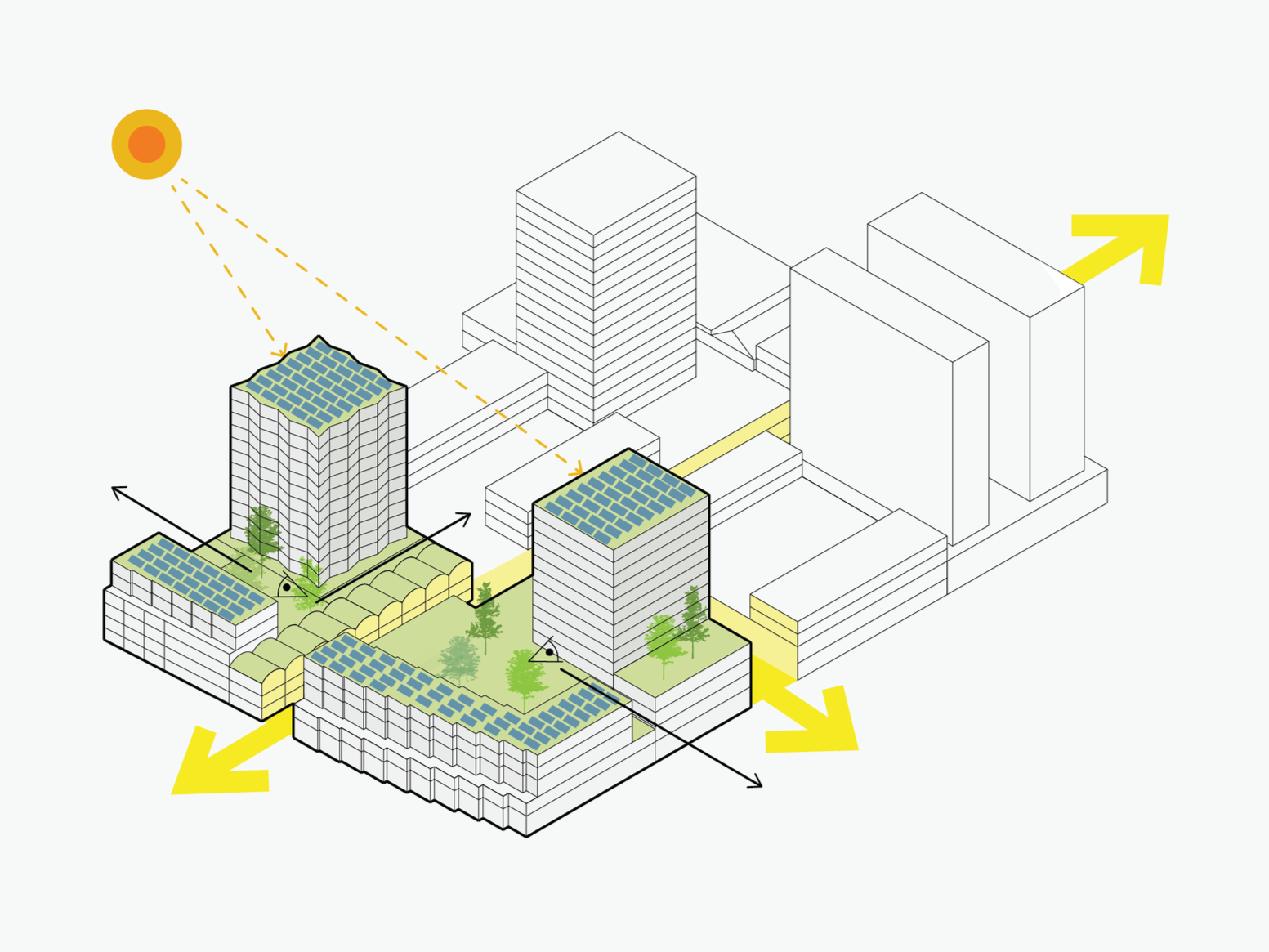
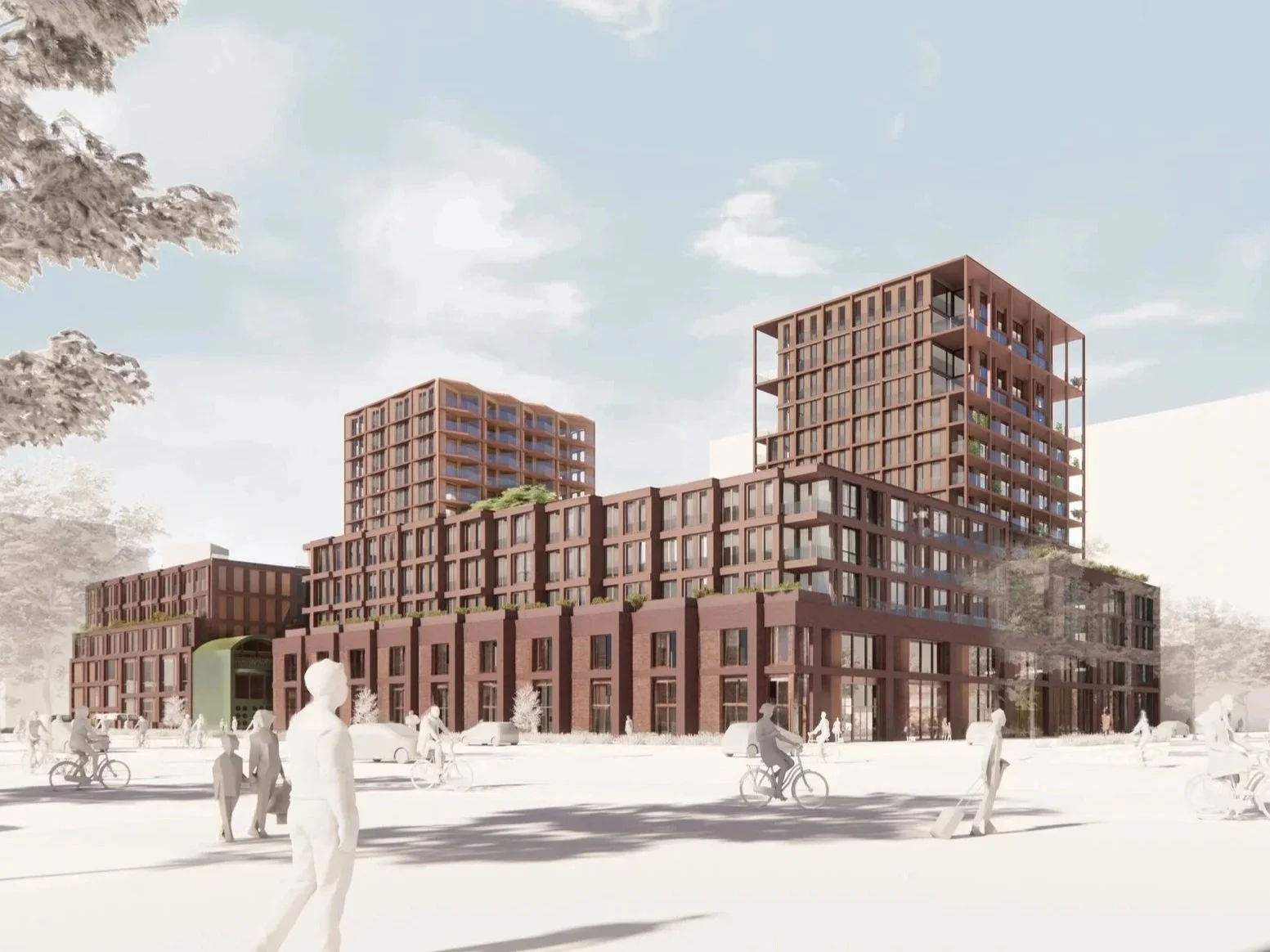
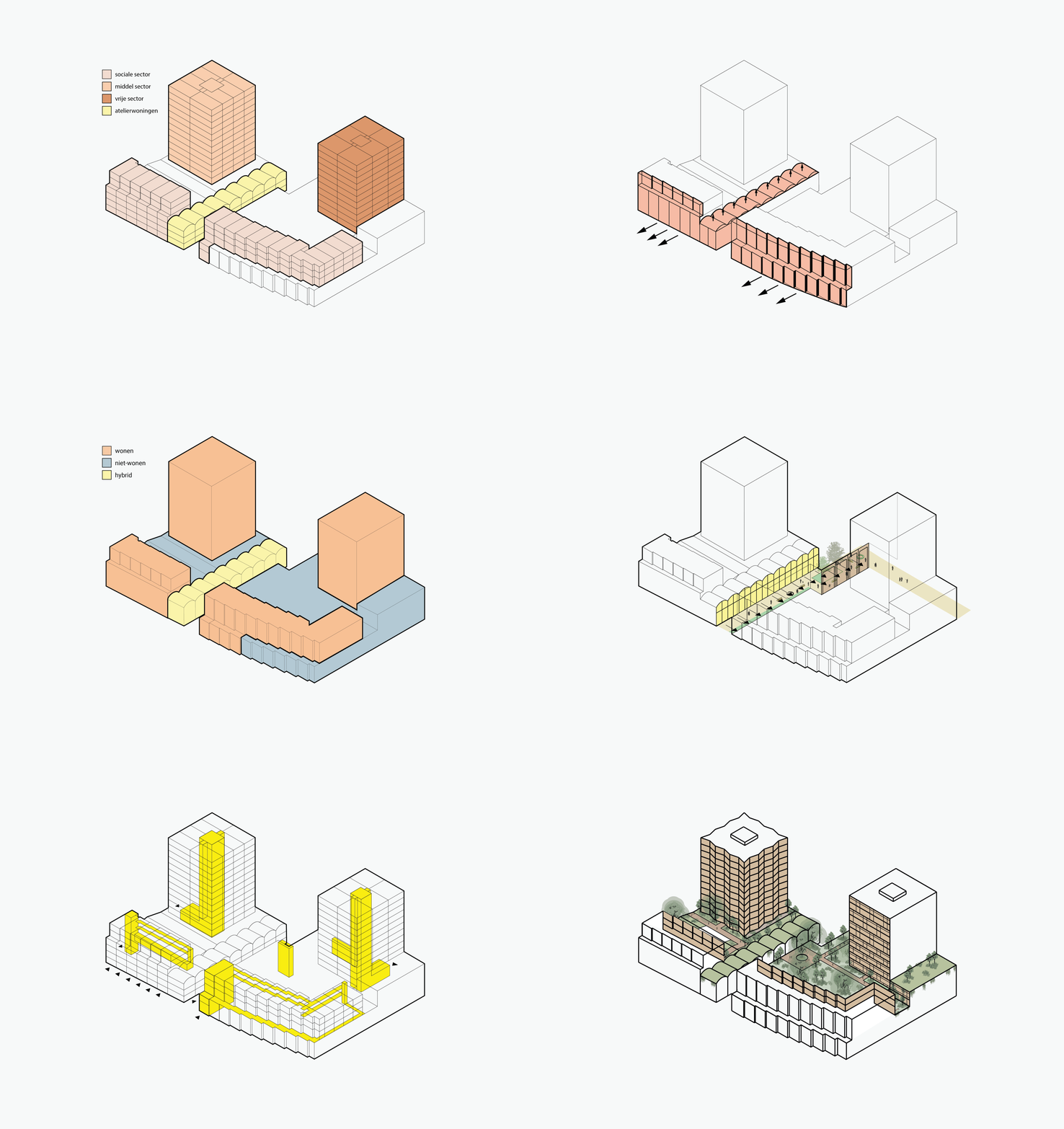
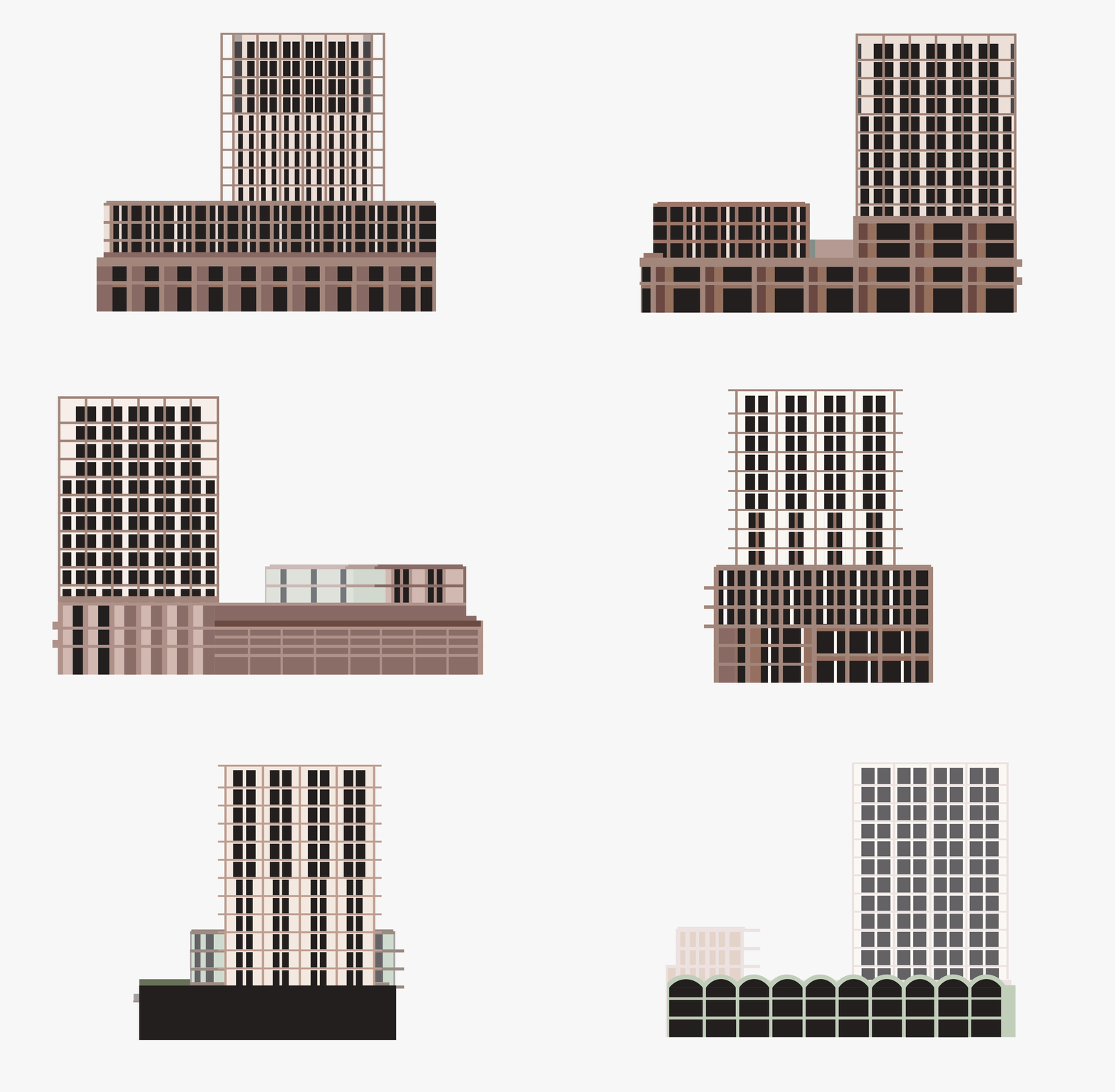
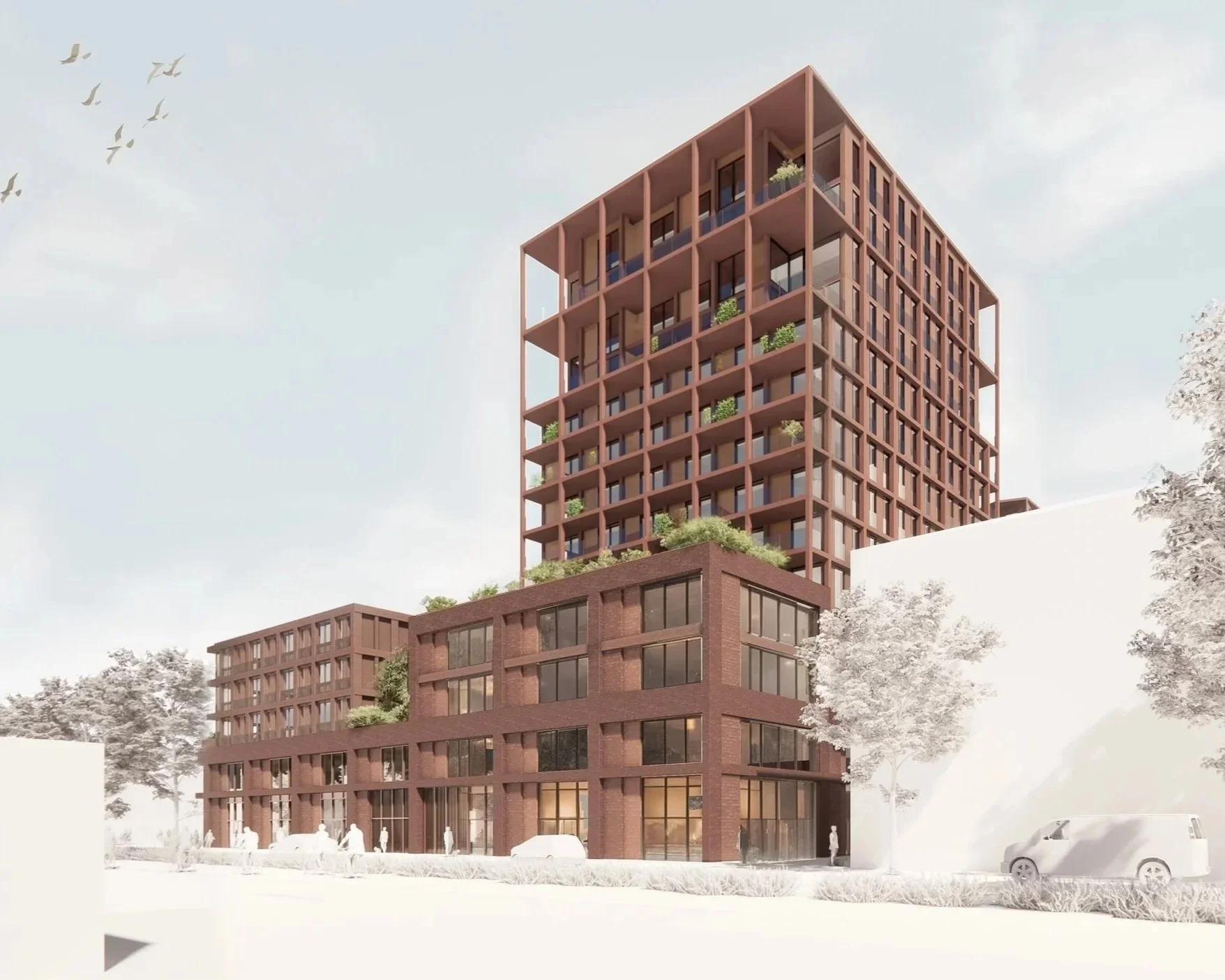
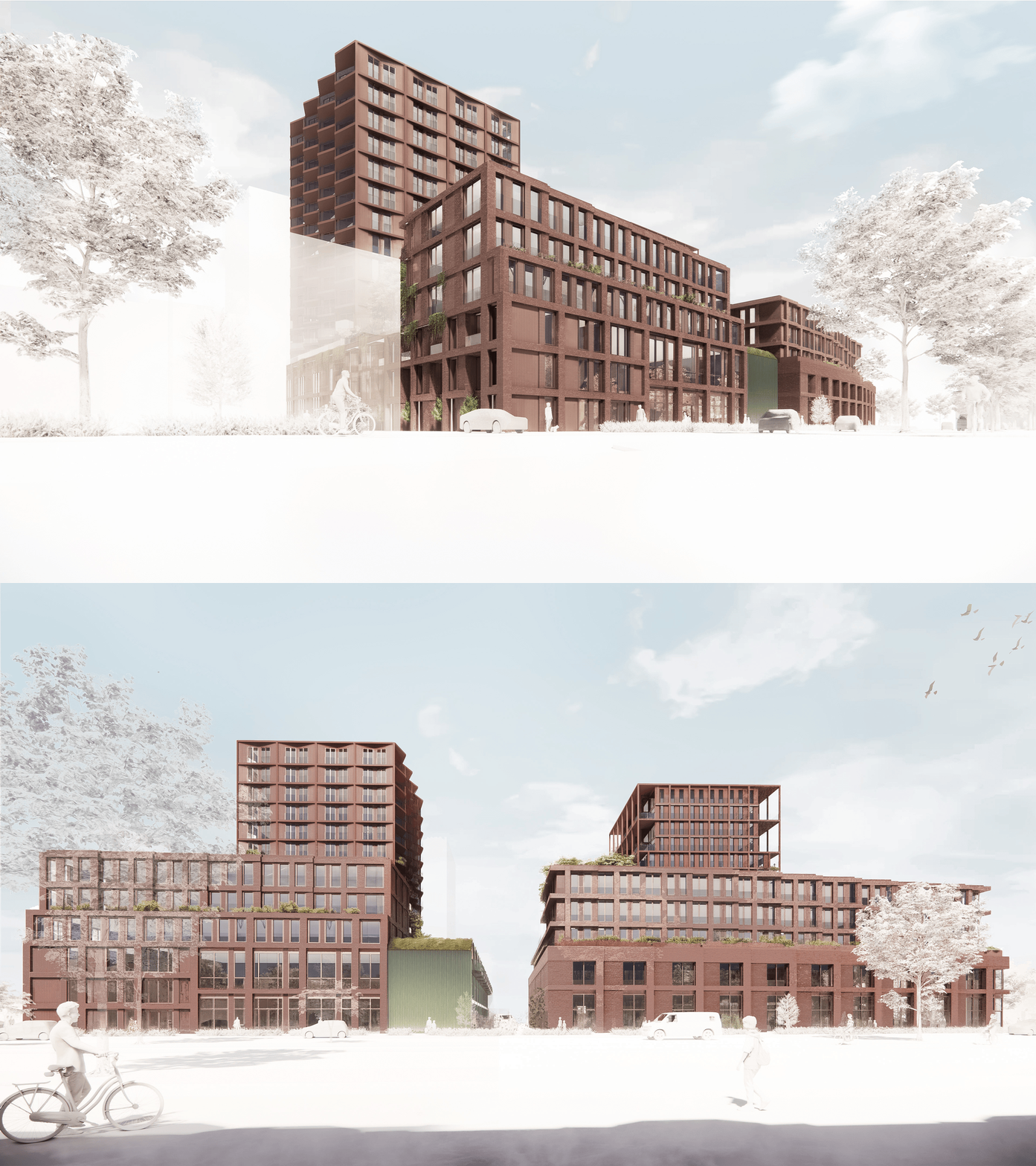
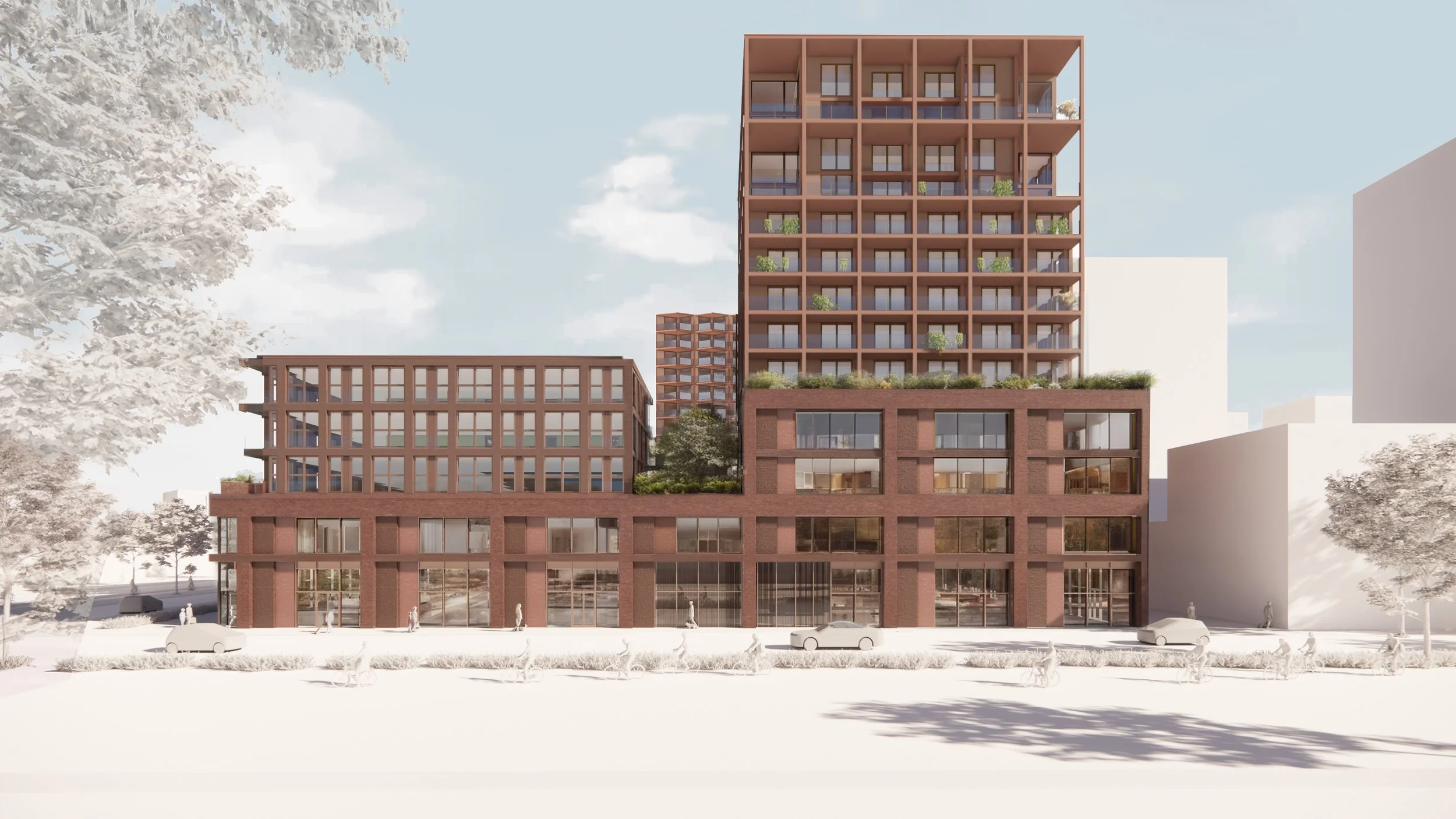
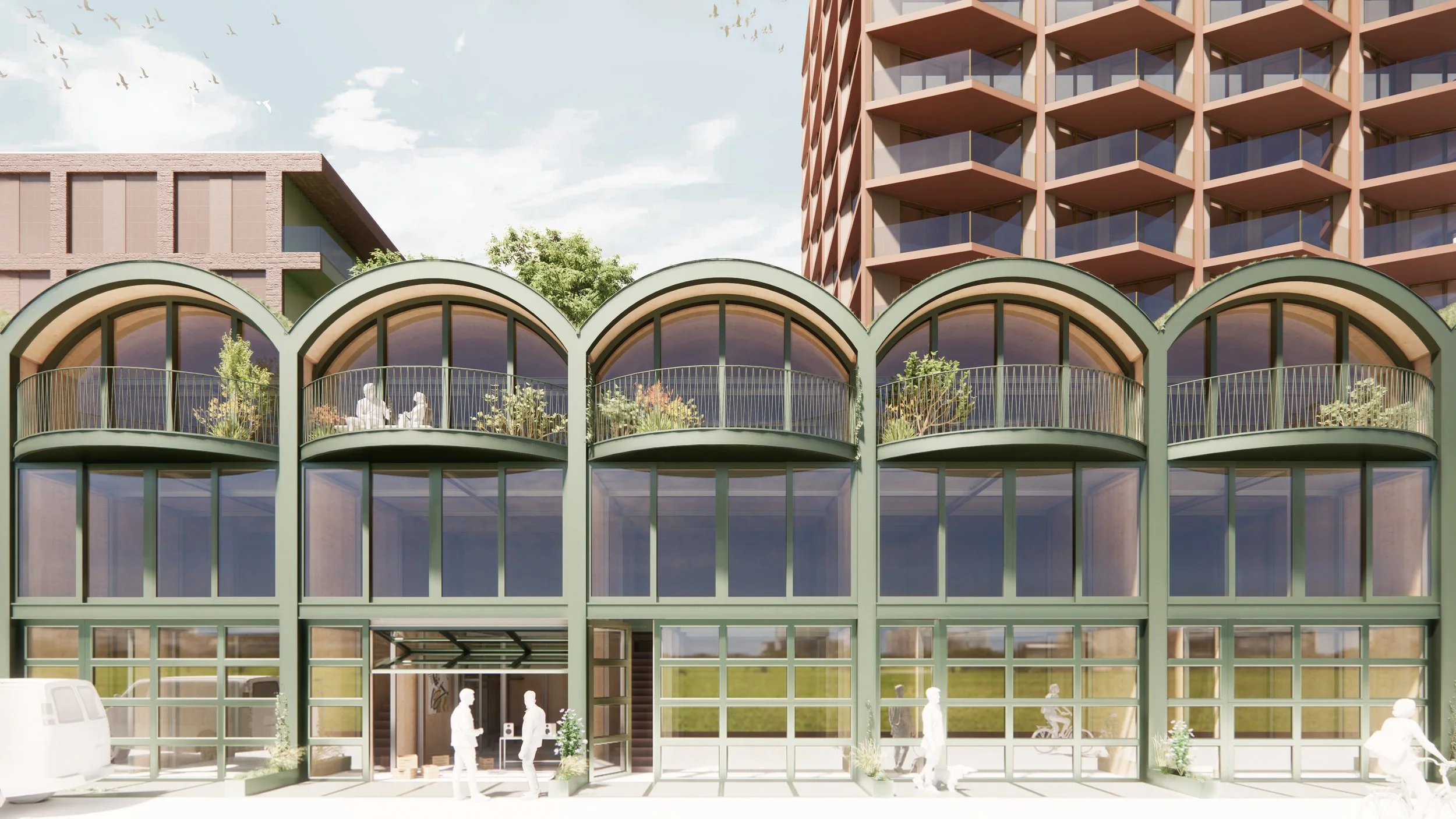
Architecturally, the design expresses identity and vitality through active, human-scaled orientated street facades. Double-height transparent plinths along Motorkade integrate retail, workspaces, cafés, maisonettes and care facilities, ensuring continuous interaction between building and city. The street frontage avoids uniform glazing, offering contrast and variety. A carefully composed massing maintains clear relationships between towers and surrounding streets. The ensemble is unified by a striking façade grid reminiscent of a Scottish tartan: deep red ceramic and stone articulate the lower volumes, while metallic finishes define the towers. Between the blocks, studio apartments reference the historic curved roofs and workshops of the Hamerkwartier, reinterpreted in green brick and textured cladding. Nature-inclusive rooftop gardens extend this identity, providing shared outdoor spaces that promote biodiversity, comfort and community life. High-density urban development requires innovative solutions for high-quality, accessible green space.
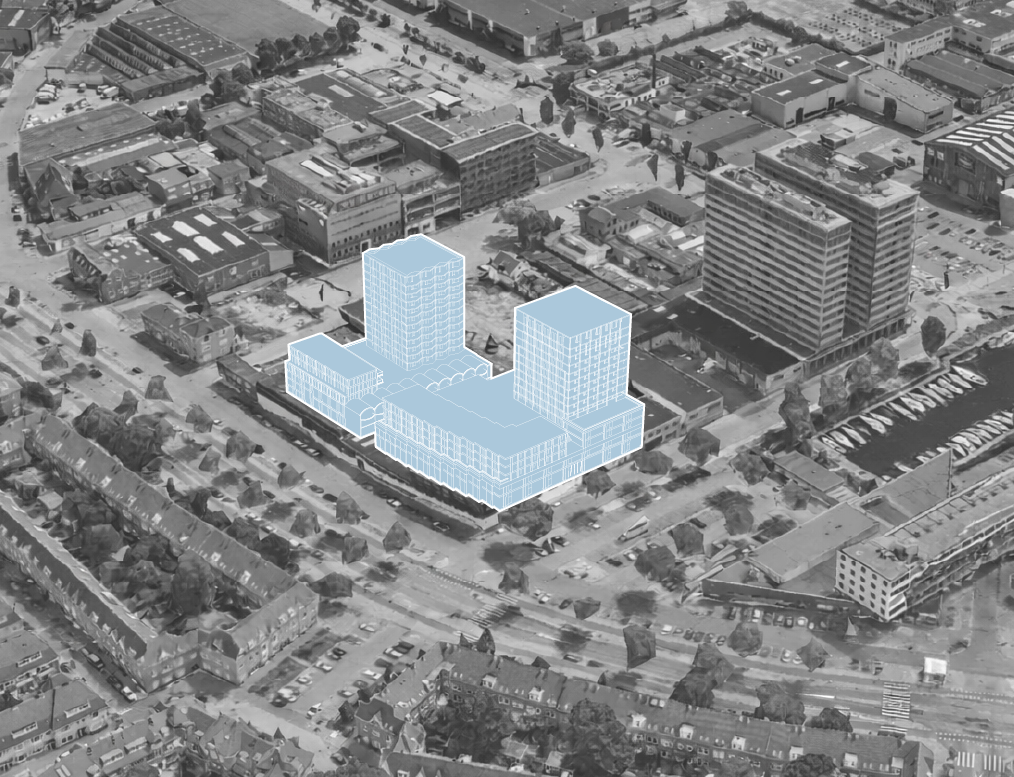
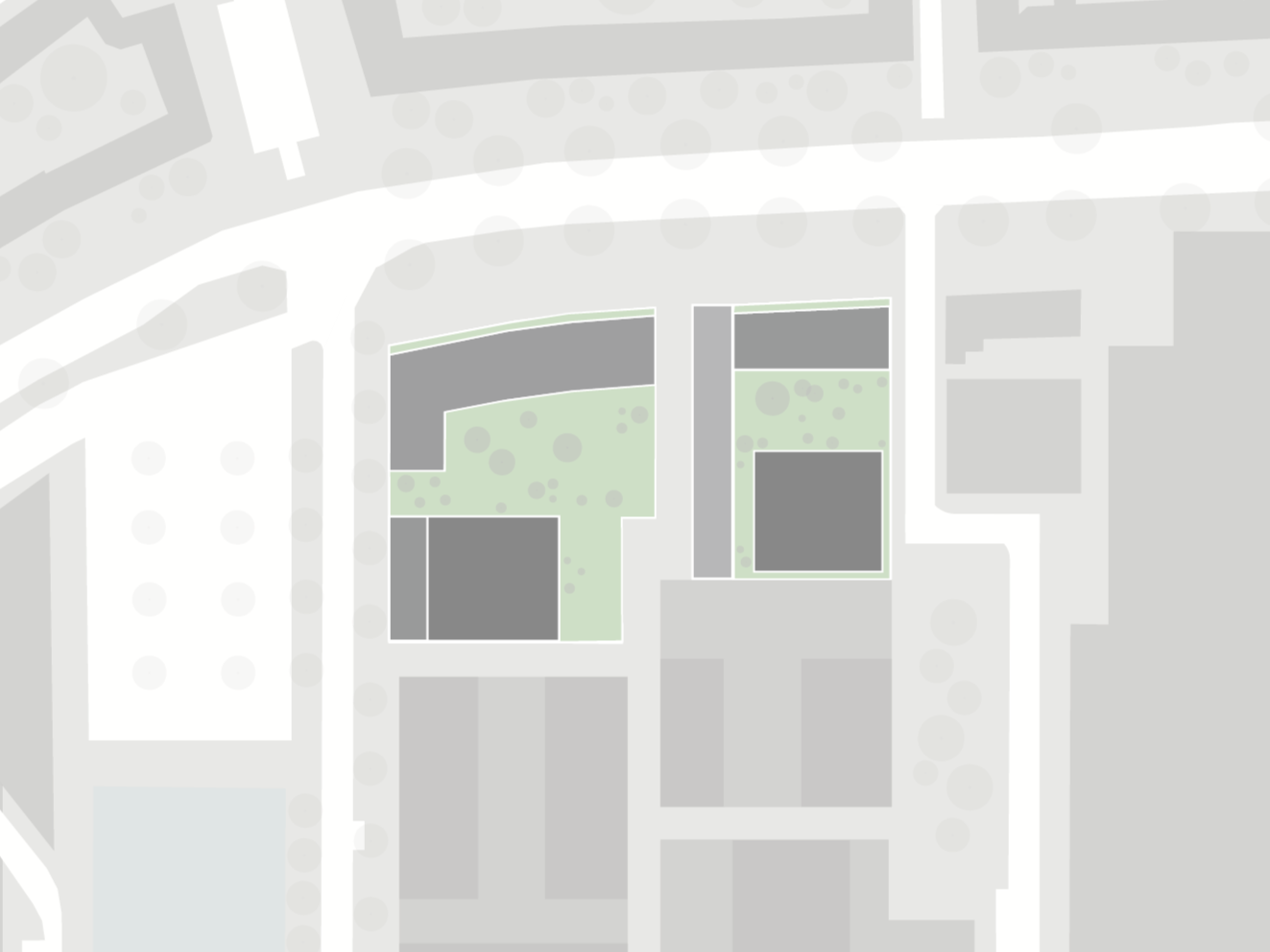
At the junction of Meeuwenlaan and Motorkade, the project creates a new gateway to Amsterdam’s transforming Hamerkwartier. As an early catalyst in the shift from an industrial area to a mixed urban neighbourhood, the COD and VORM development introduces housing and urban amenities around a green city square. The programme is deliberately inclusive, combining 30% social housing, 40% mid-range rental and 30% private-sector homes. Two building blocks rise from ten-metre plinths, each topped with 45-metre residential towers. The existing Motorplein is reshaped into a lively public square with shops, play areas and generous green-framed public space. Strategically located, the project forms both a physical and social bridge between the district’s industrial past and its emerging urban fabric, connecting the IJ waterfront and the Vogelbuurt through new public routes along Motorplein and Motorkanaal. More than a housing project, it acts as an anchor for wider renewal and supports a diverse, resilient community.