
Optopper Transformation
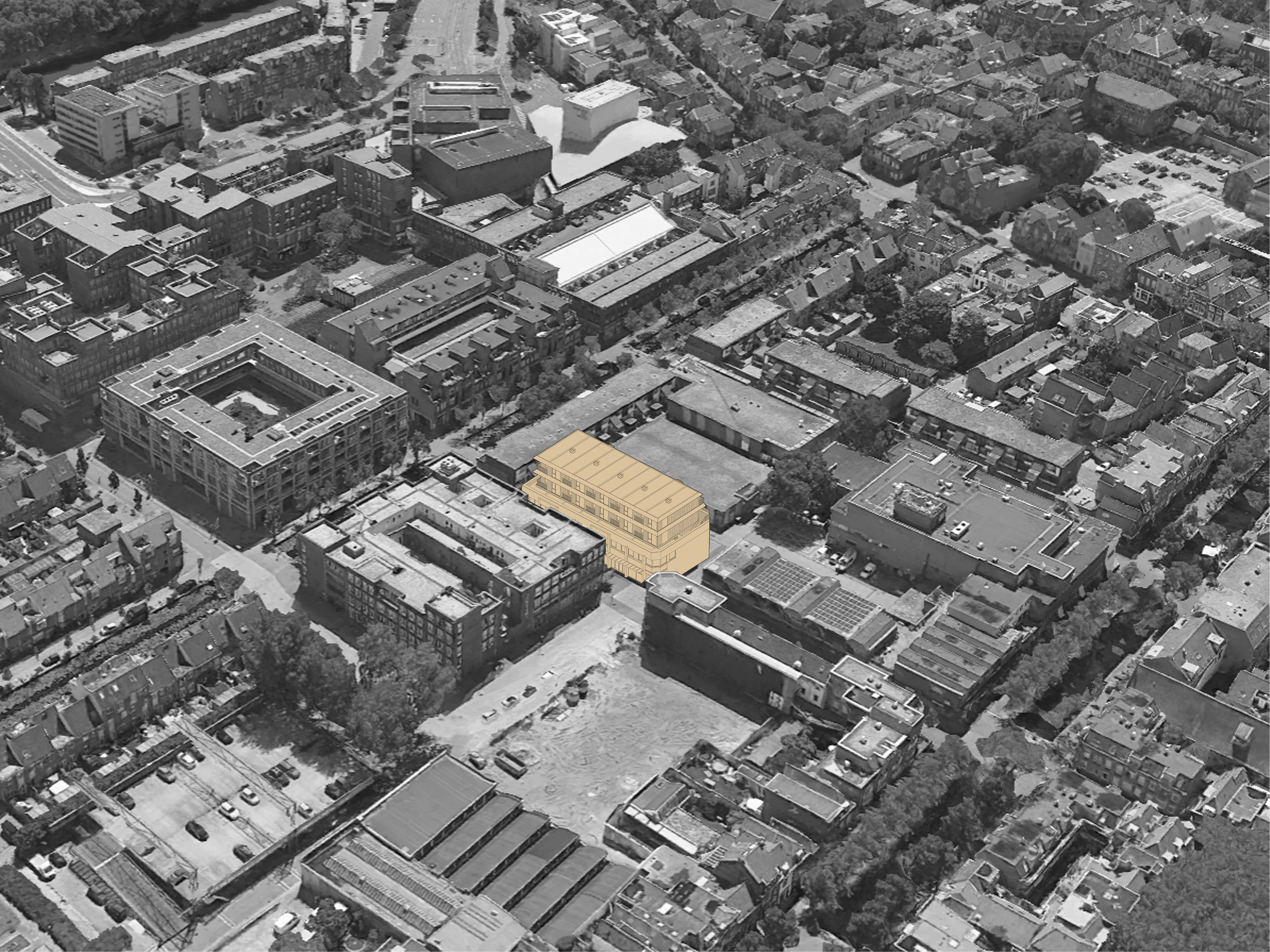
Pynepoort, Delft
Location: Delft, NL
Design: 2021-ongoing (Execution drawing phase)
Site Footprint: 560 m2
FSI Netto: 3,2
Gross Floor Area: 1.766 m2
Total Number of Apartments: 28 dwellings (10 transformation units and 18 optop units
Program: Residential, Commercial
Client: Nardinc Vastgoed Delft B.V
Optopper client: VORM New Business
Technical advisor: Buro Bouwfysica
Structural Engineer: VOCON engineering
Installations: Cerfix constructies
Building Contractor: DAT bouwsystemen
Renderings: WAX
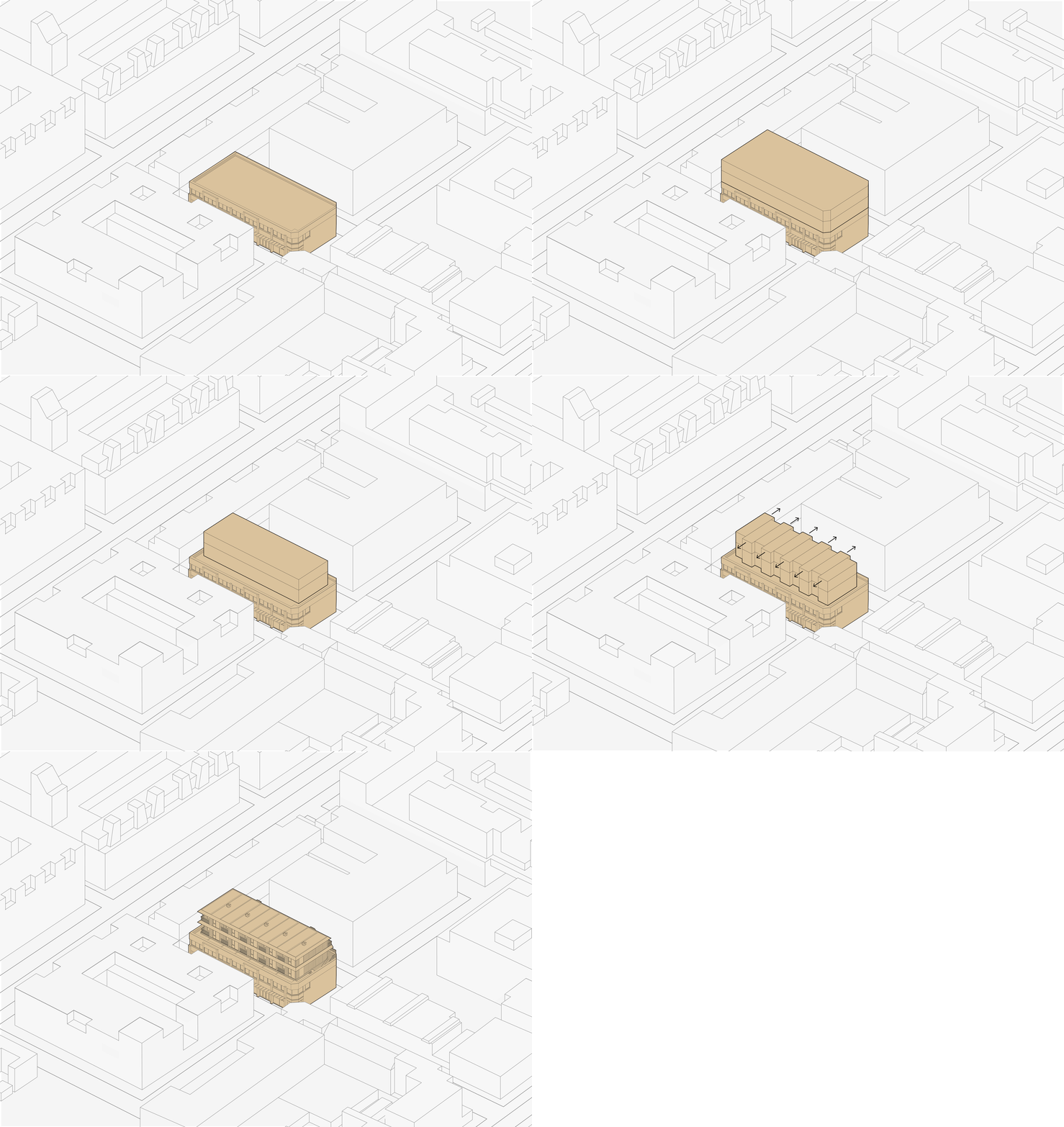
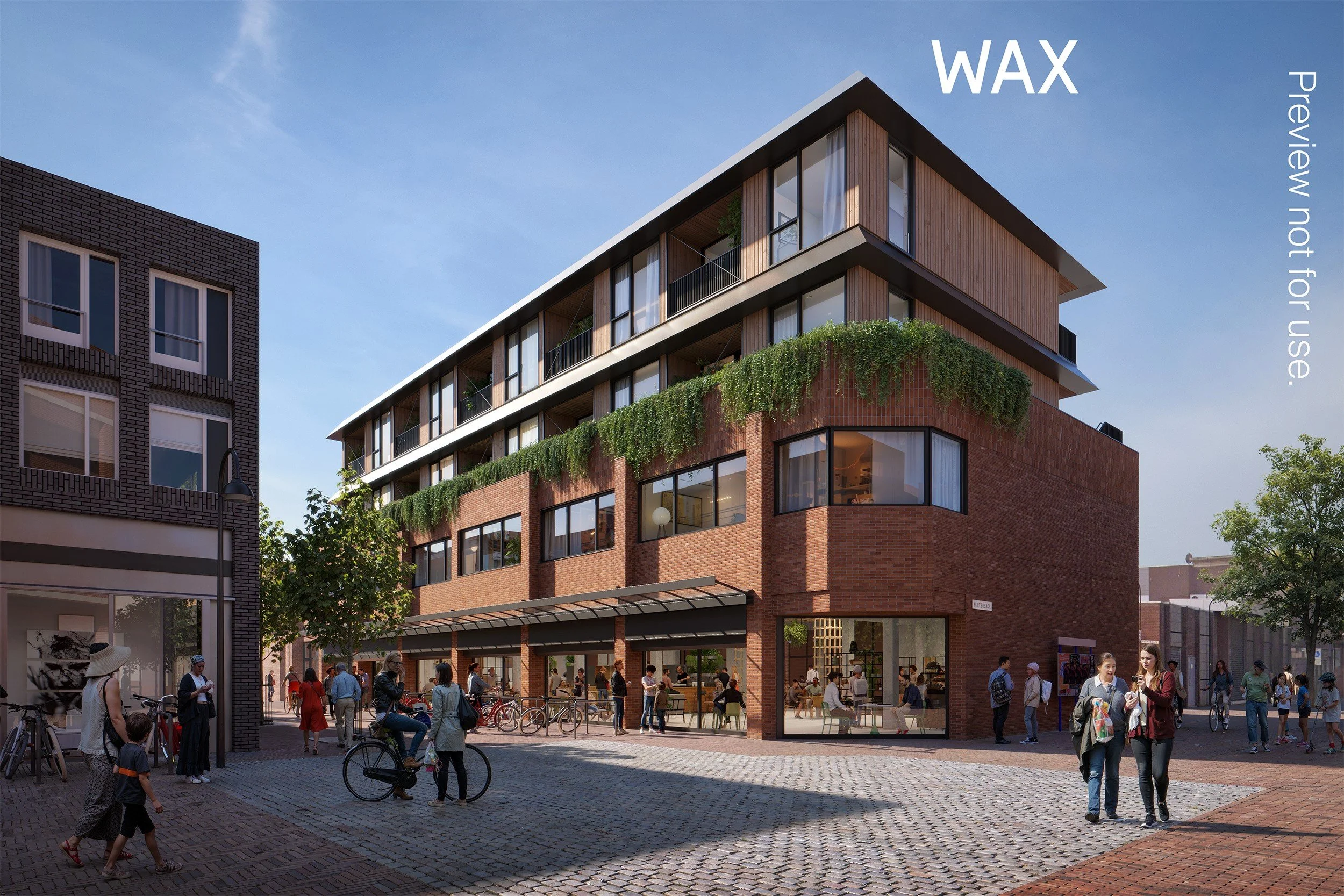
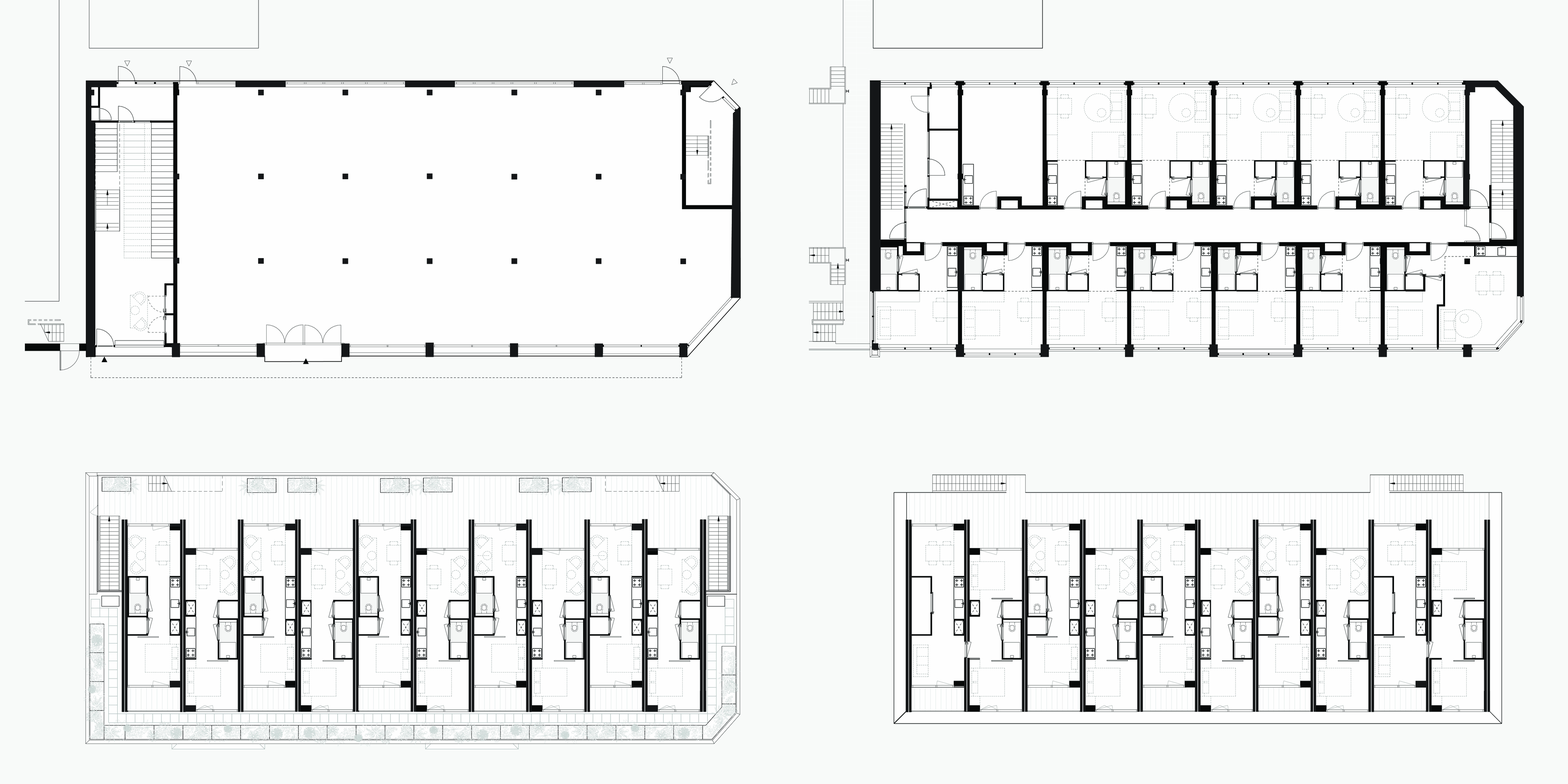
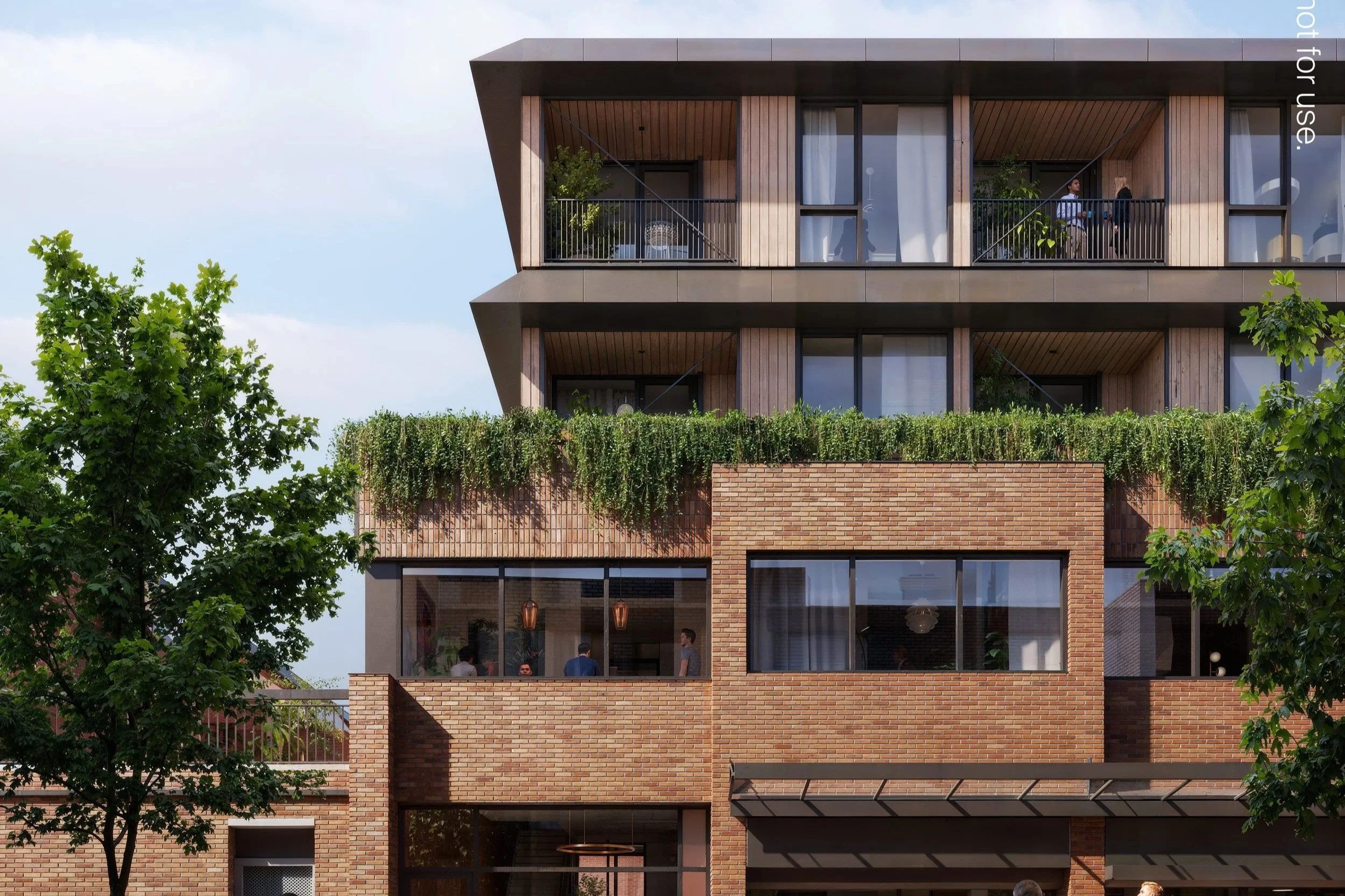
In recent years, Delft’s city centre has undergone a remarkable transformation. What was once a predominantly 1970s cityscape is evolving into a vibrant, mixed-use urban environment that embraces density and contemporary living. The former Blokker building was a clear product of its time: solid, recognisable, and defined by its unmistakable 1970s façade. When Blokker vacated the premises, an opportunity emerged to redefine the building’s role within the renewed urban fabric. Our approach focused on preserving its architectural character, reducing the amount of commercial space, and introducing much-needed housing. By retaining the existing structure, the project respects its material and cultural identity while significantly reducing environmental impact. The ground floor has been renovated for new commercial use, while the former storage level above has been transformed into contemporary apartments.
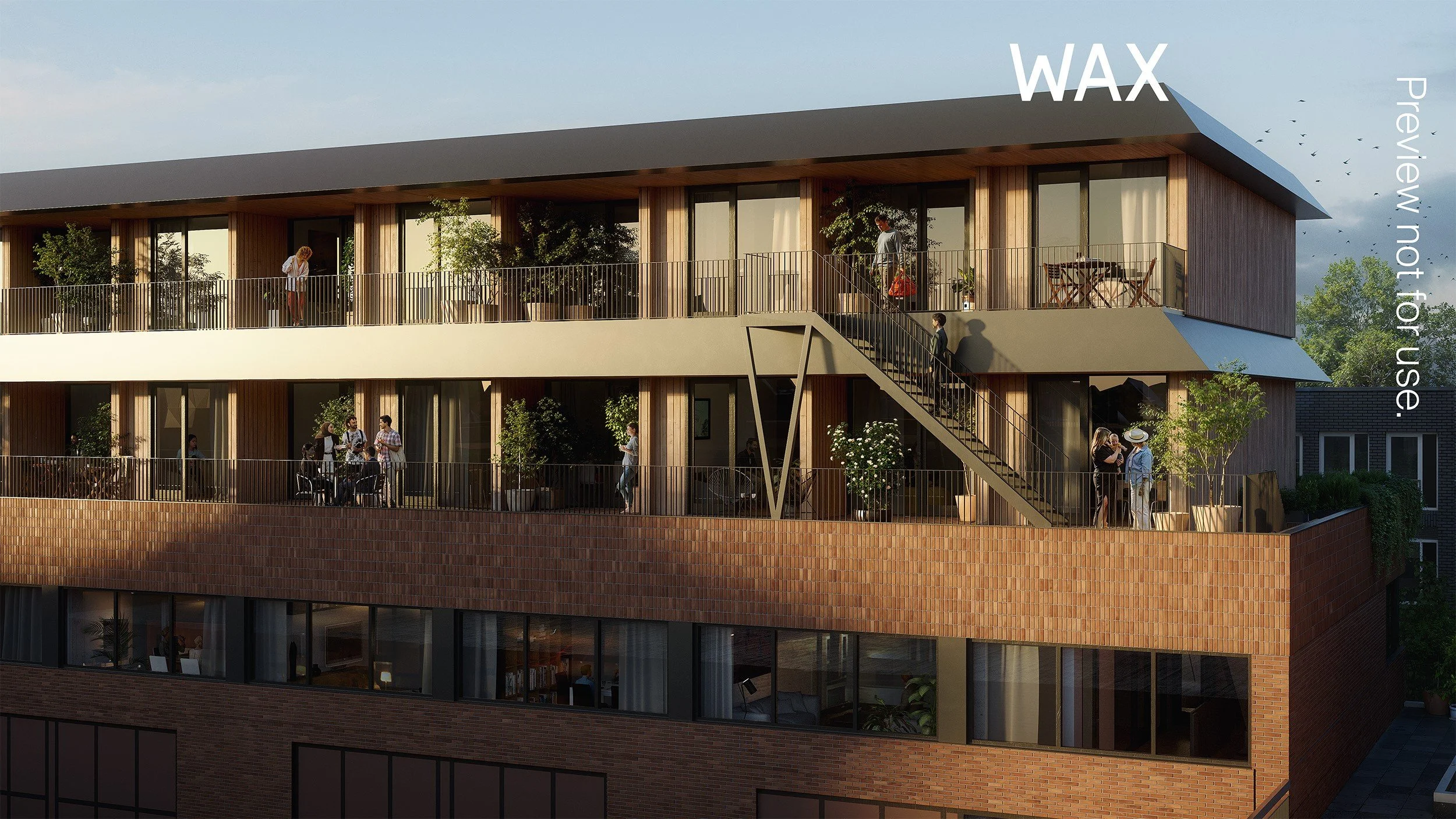
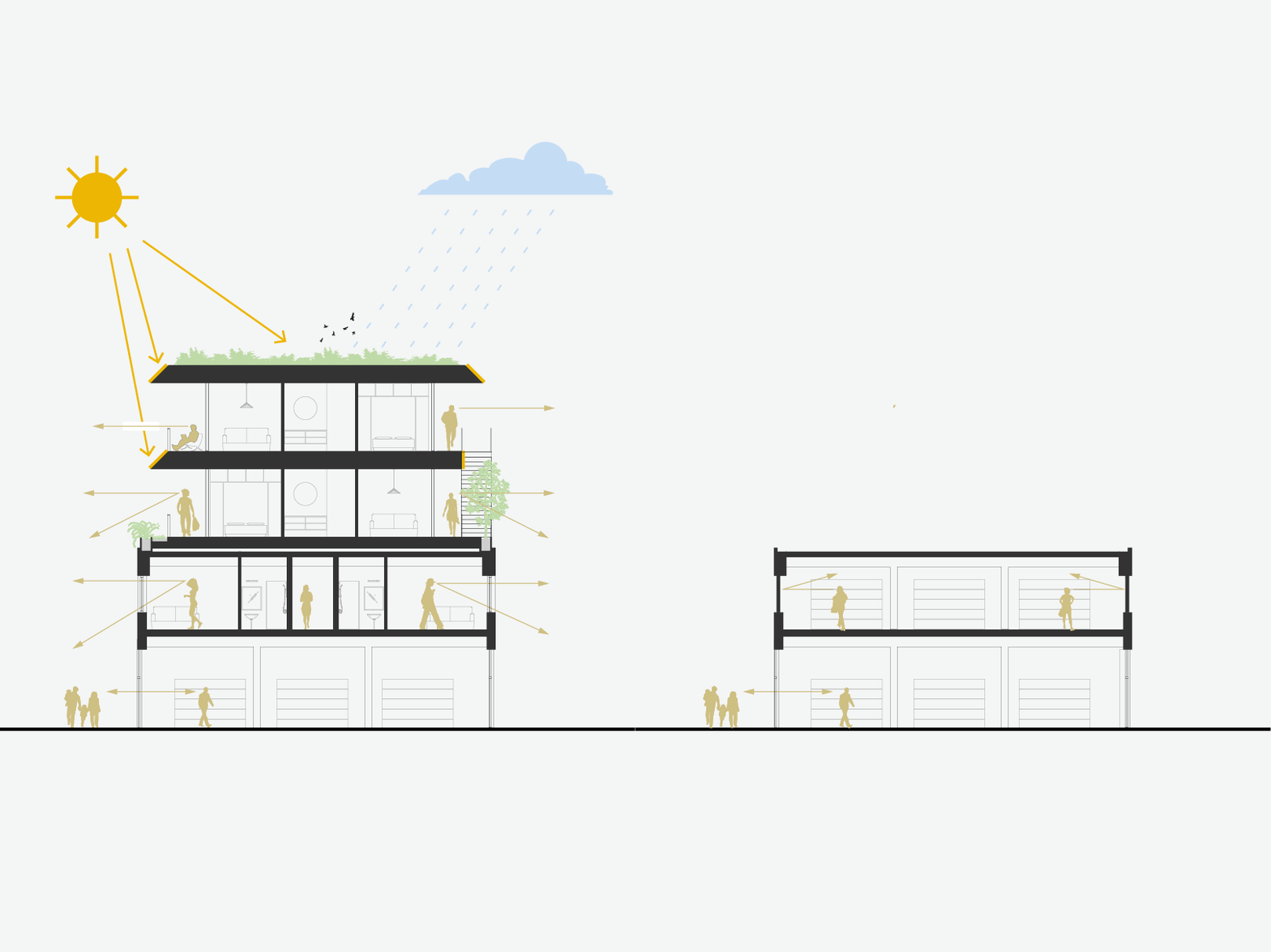
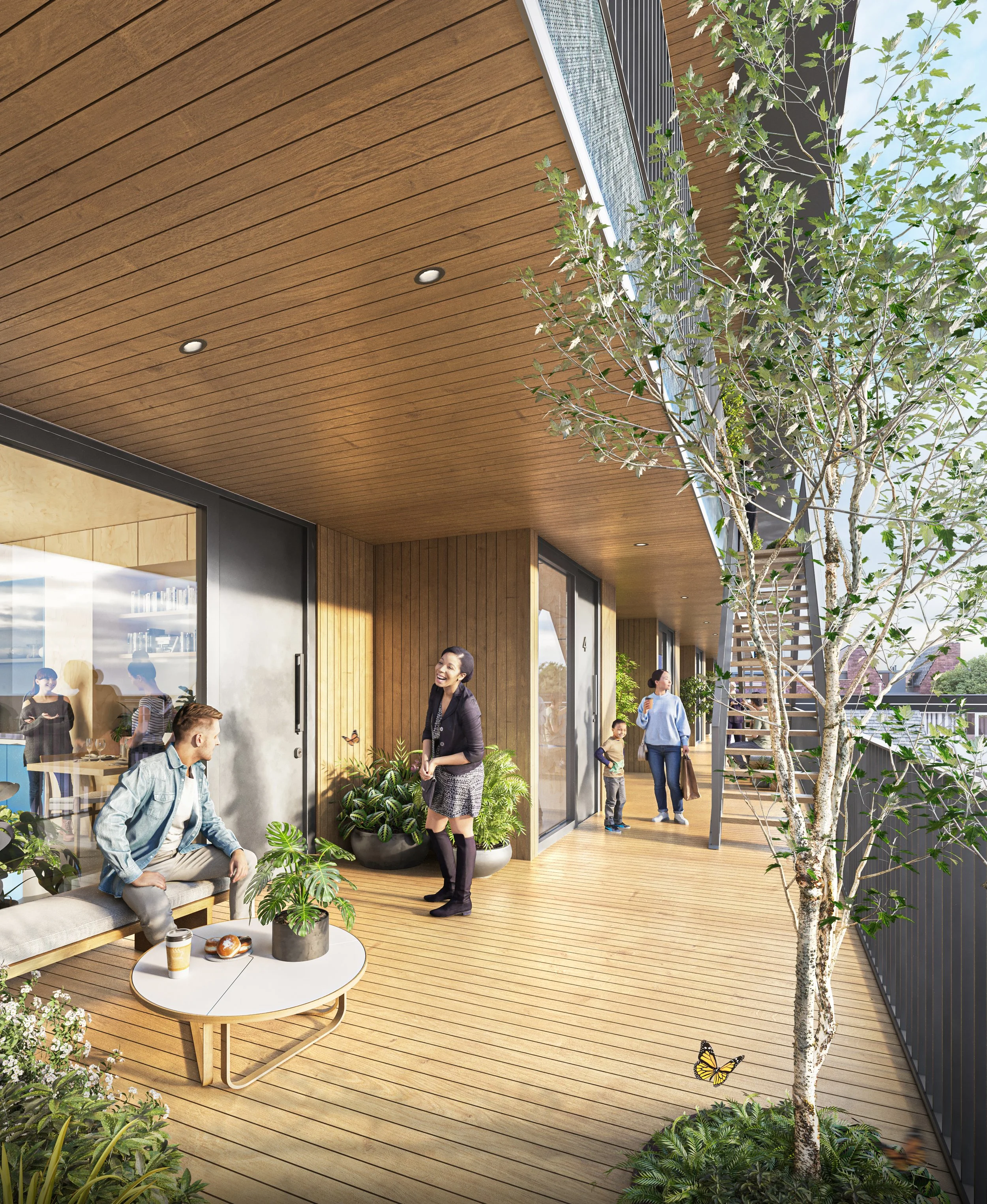
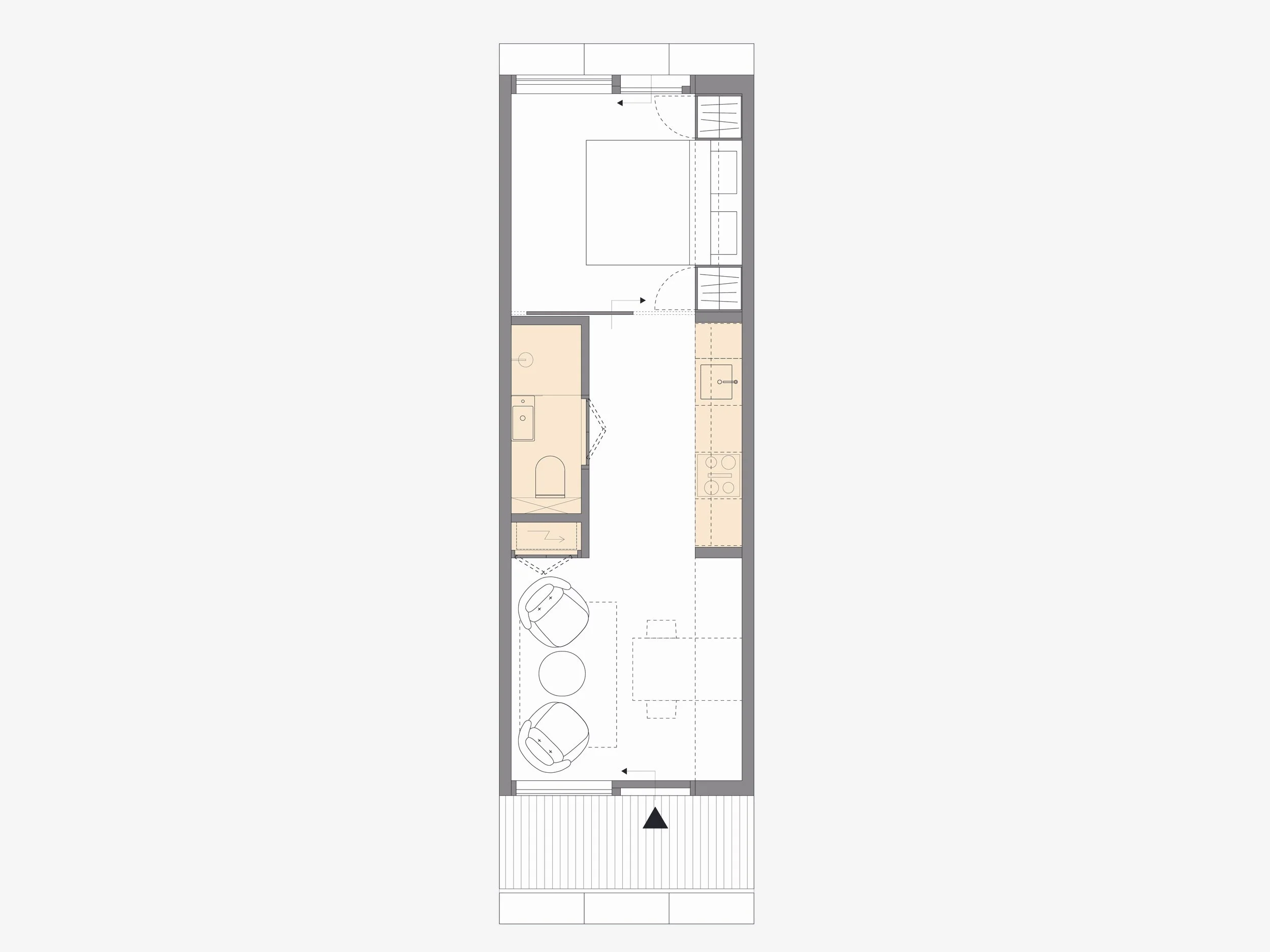
In collaboration with VORM, we designed the Optopper: a circular, prefab, all-wood, biobased and fully equipped modular housing system that can be placed on almost any post-war building. Conceived as a scalable residential product, the Optopper balances 80% standardisation with 20% customisation, enabling faster development and construction without sacrificing quality. The units range from studios to two- and four-room apartments, well suited to students, starters, young professionals and small families. Architecturally, the new volumes respond to their 1970s context through subtle horizontal shifts that break down the massing and create private outdoor terraces for each home. The revitalised building serves as a prototype for circular urban densification, combining reuse, adaptability and contemporary living. An added layer of new brick façades is placed over the existing brickwork, creating a warmer, more contemporary expression.