
A Vertical Neighbourhood on the IJ
Sluisbuurt, Amsterdam, NL
Location: Amsterdam, NL
Design: 2015-2017
Supervisor: 2018 - 2025
Completion: 2035
Site Footprint: 31.8 ha
(where 12.1 ha is to be privately developed and
16.5 ha is public area (green, surface and water),
3.2 ha for the rest (ecozone and dijk infrastructure)
FSI: between 2.8 and 5.2
Density: 94 – 160 dwellings per hectare
Program: maximum 600.000 m2 gross surface area
where 5.500 dwellings,
40.000 (educational) amenities,
15.000 m2 plinth functions like shops,
30.000 m2 other non housing programs.
Client: City of Amsterdam
Urban design Team: BurtonHamfelt Urban Architecture,
Boom Landscape, City of Amsterdam Planning Department
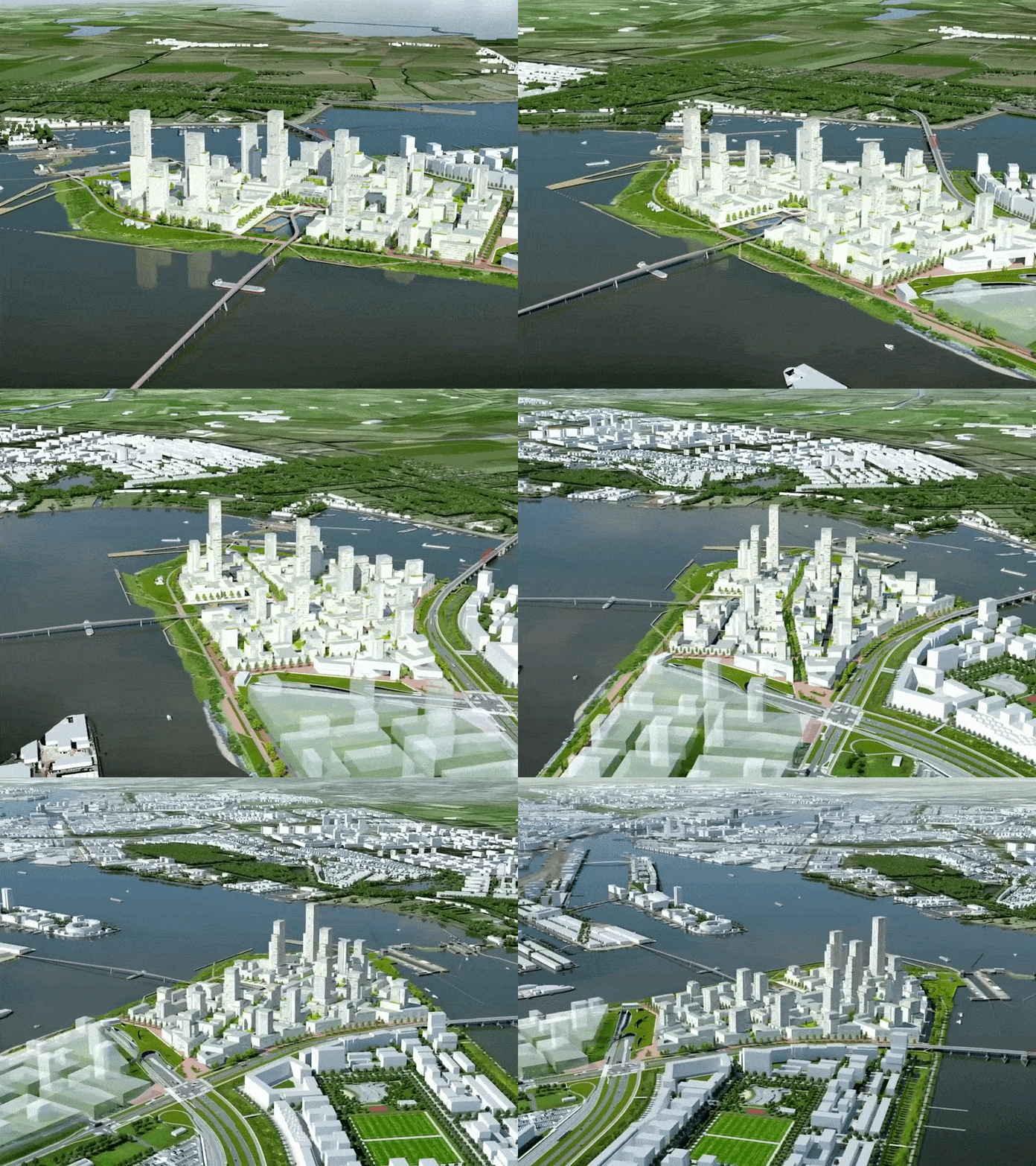
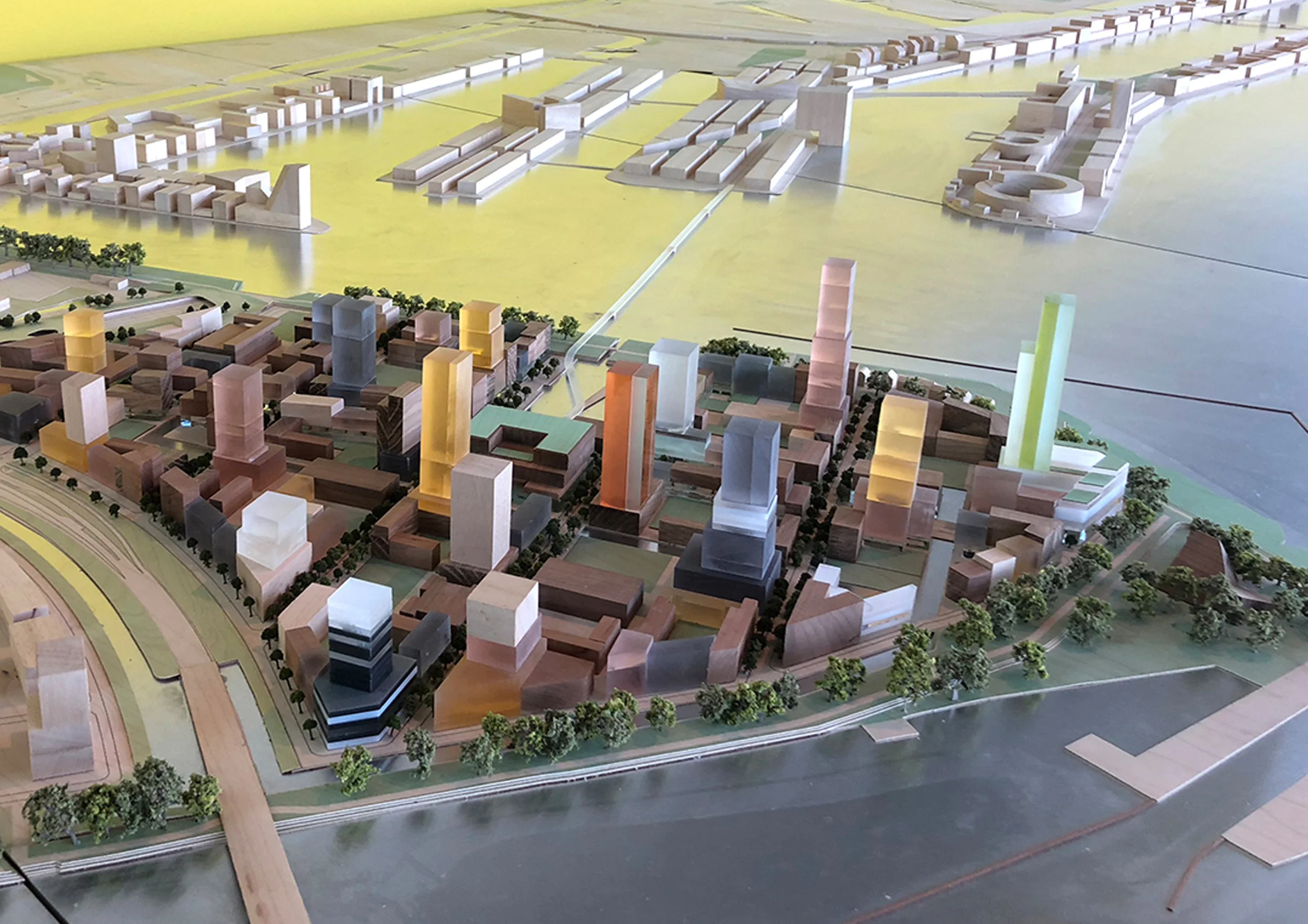
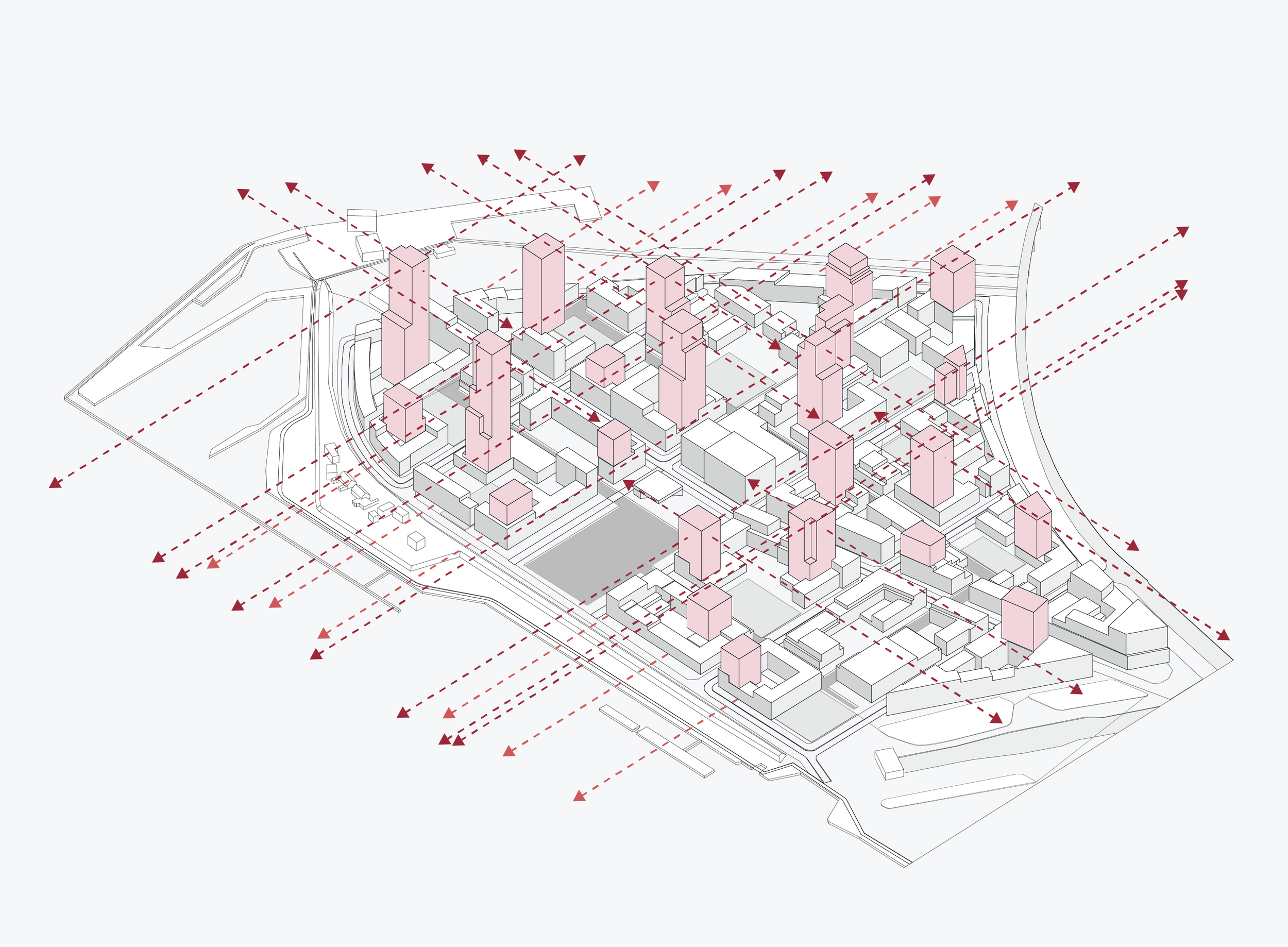
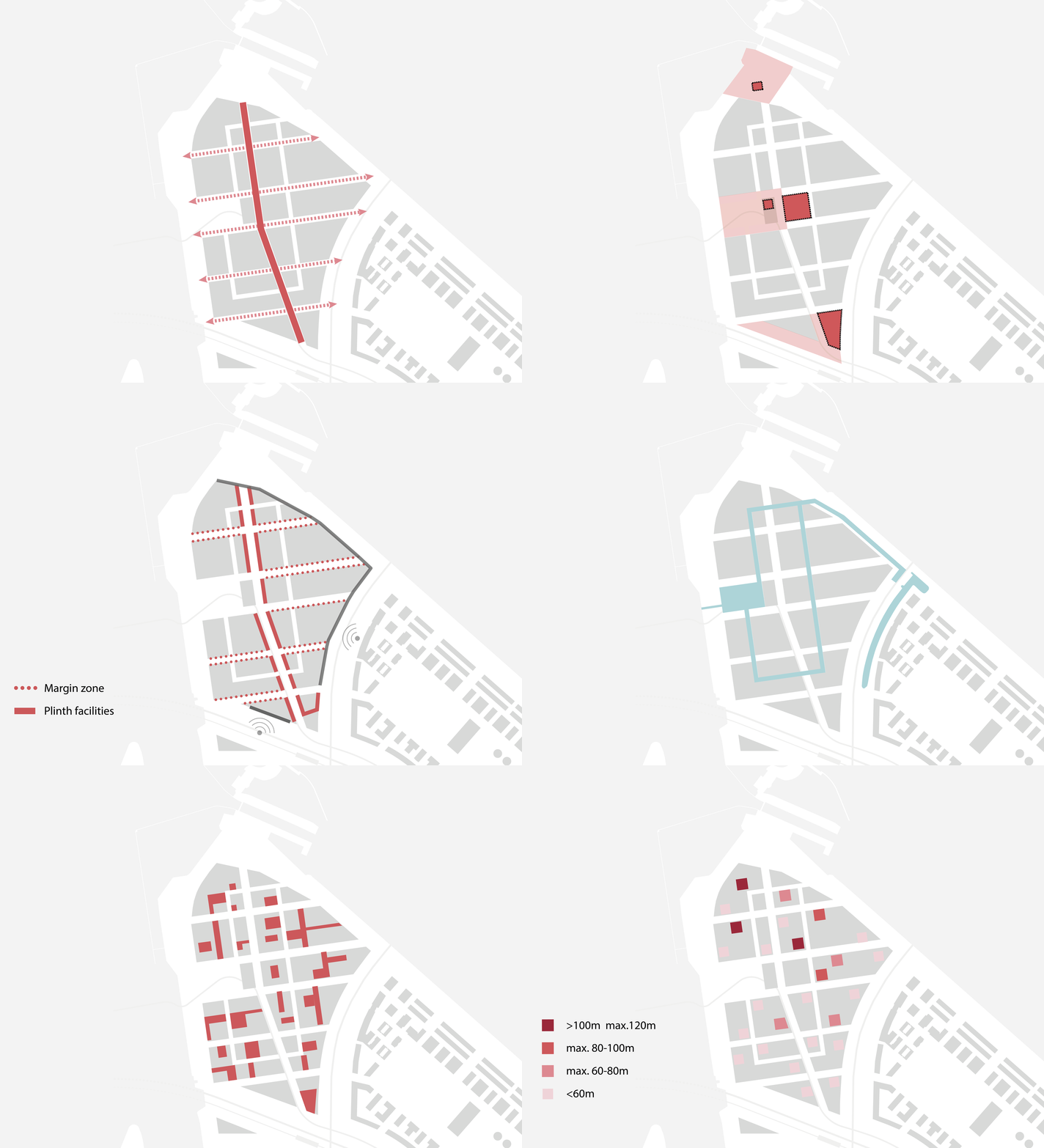
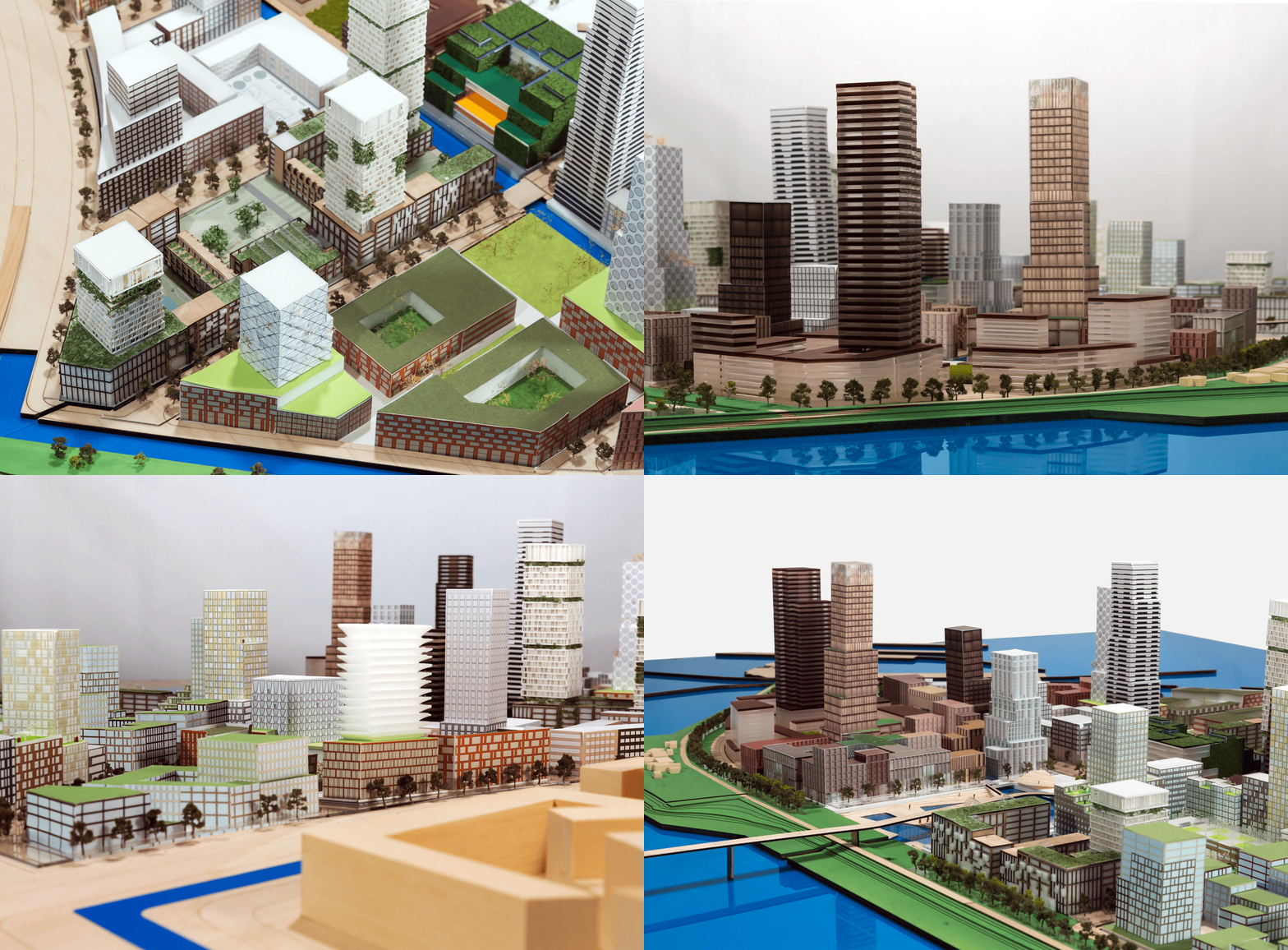
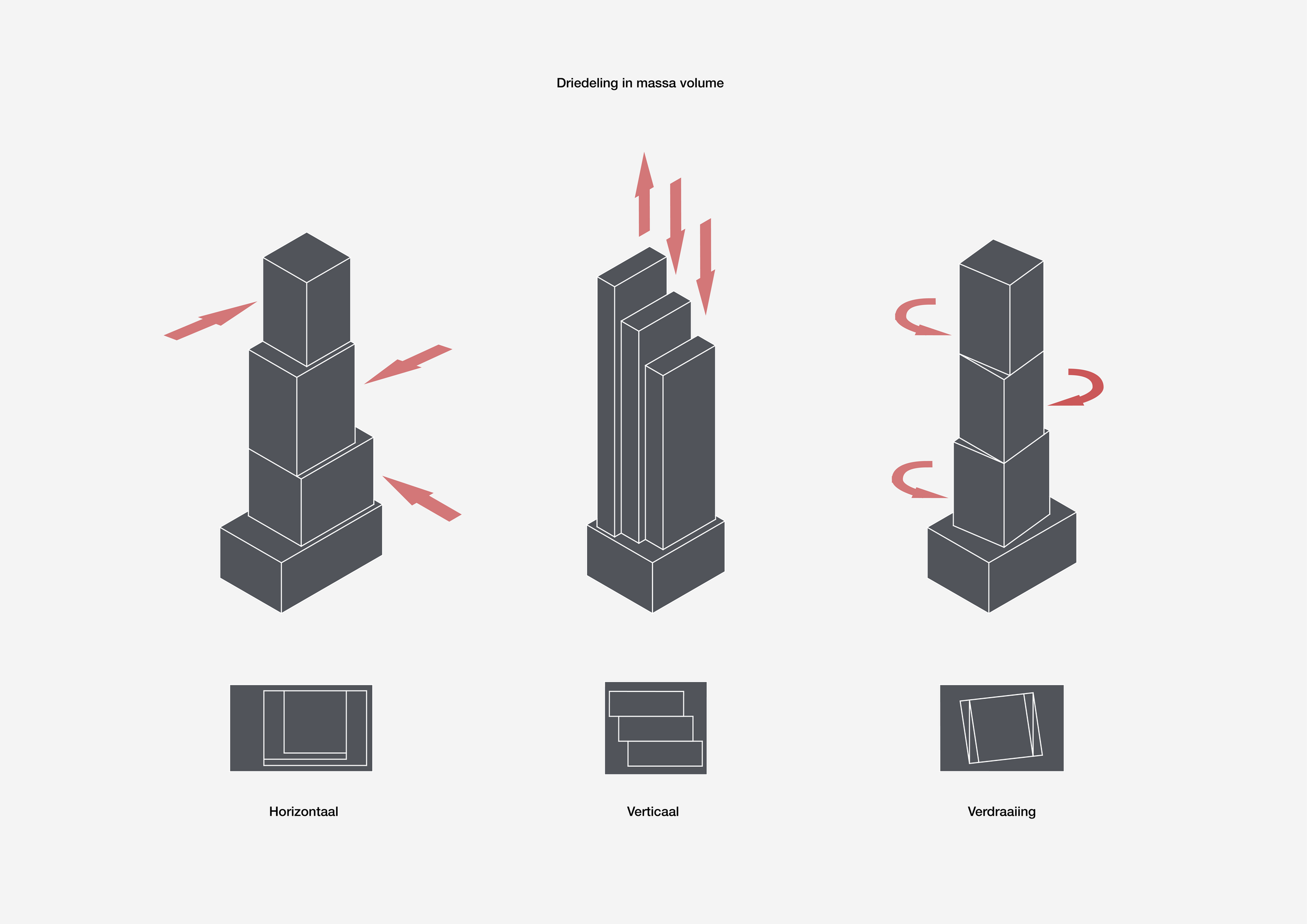
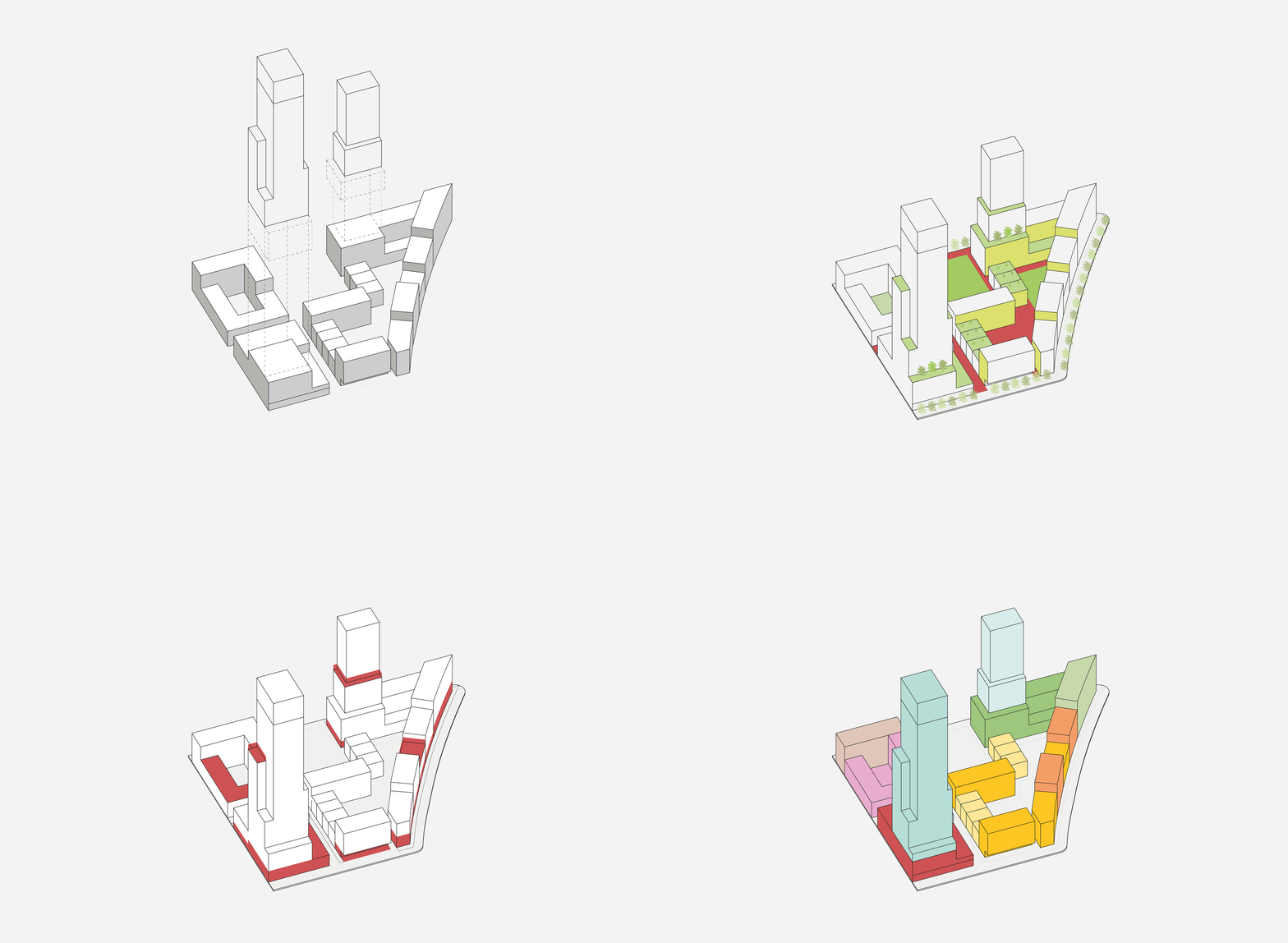
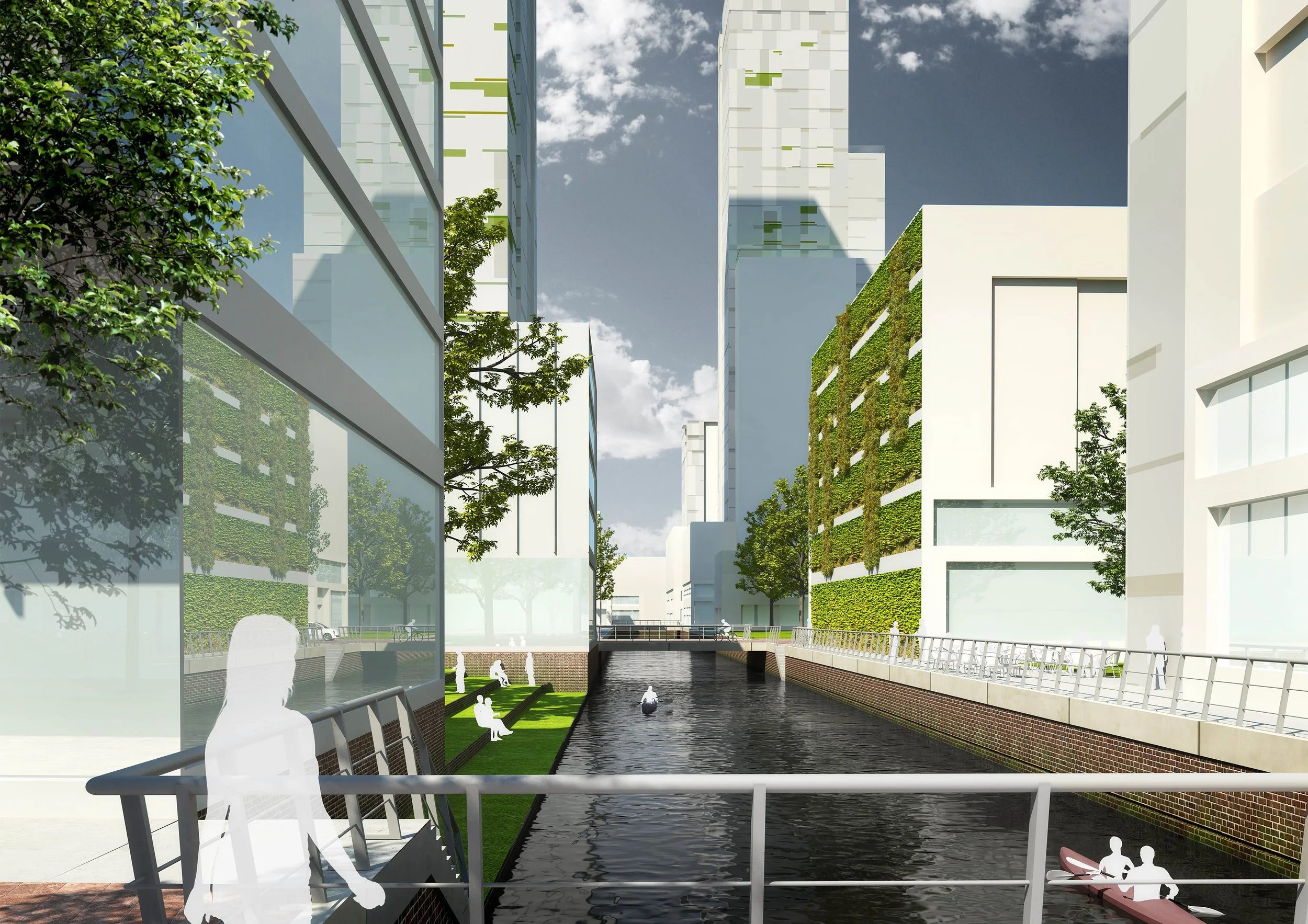
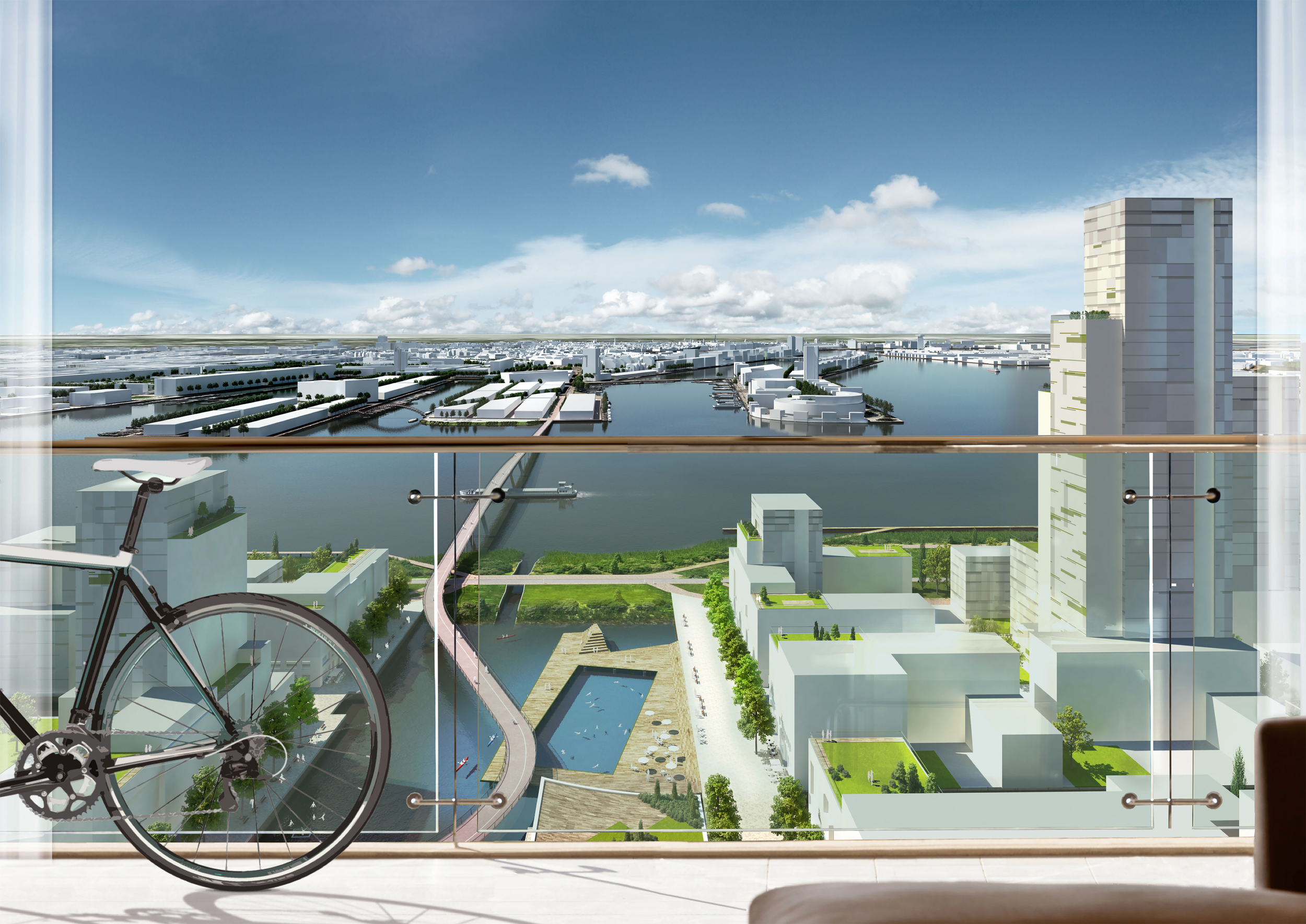
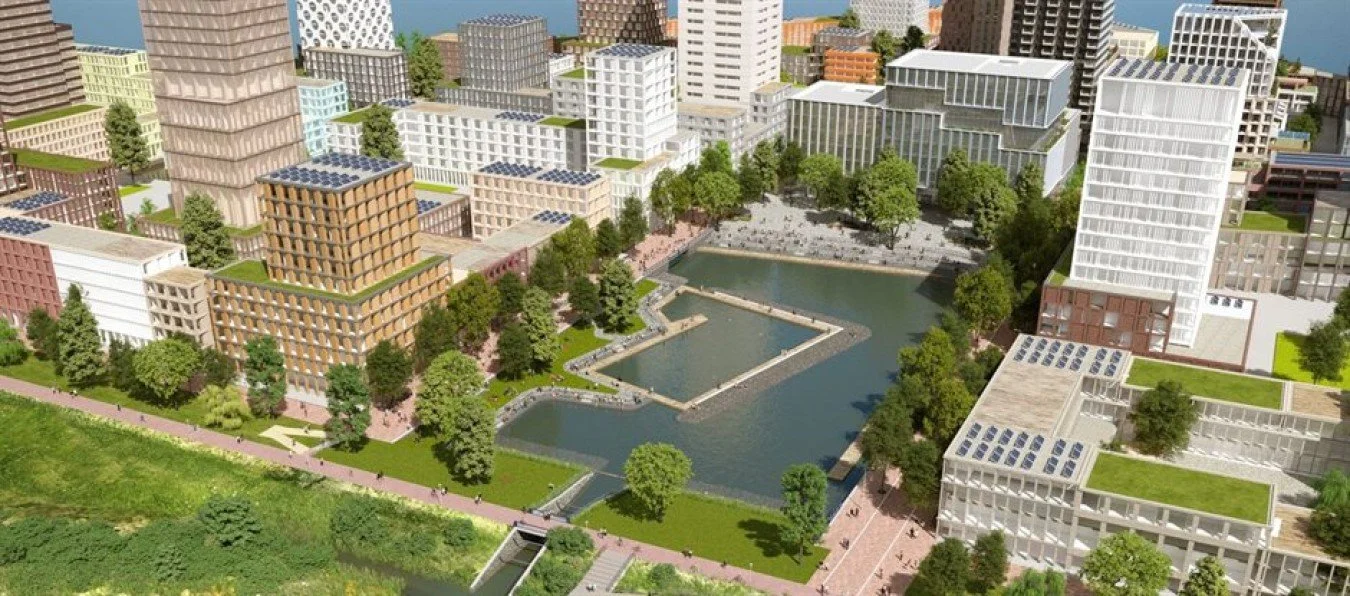
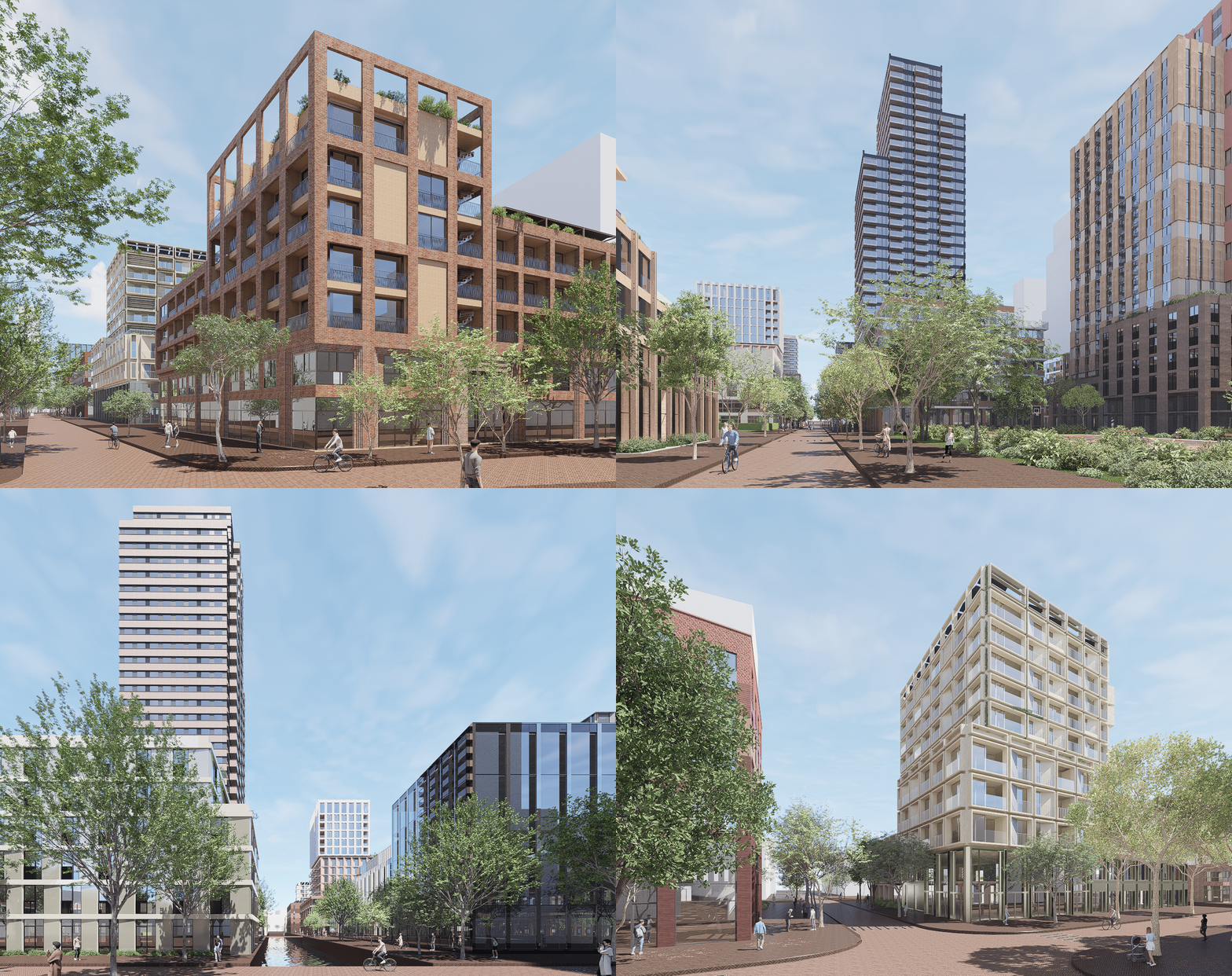
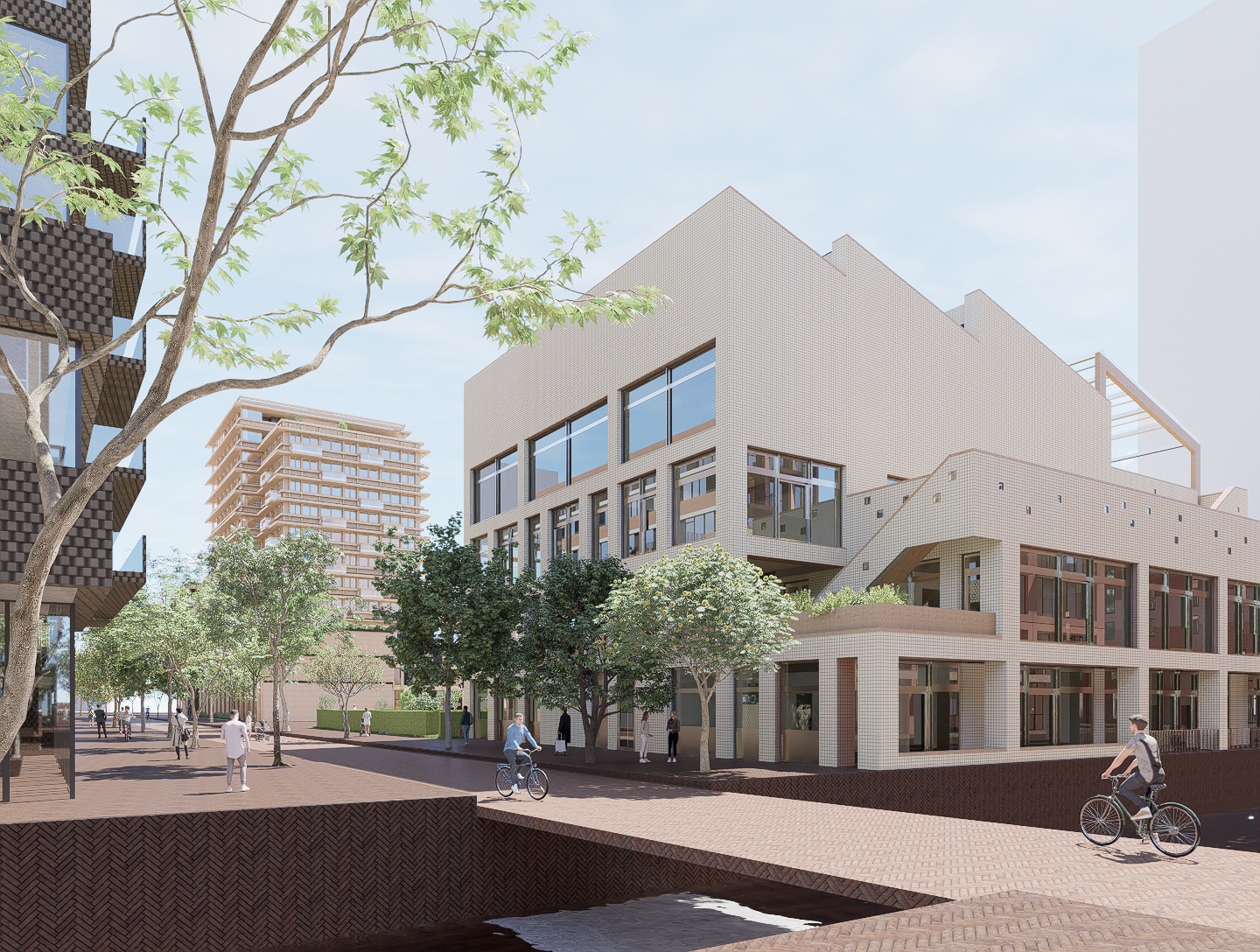
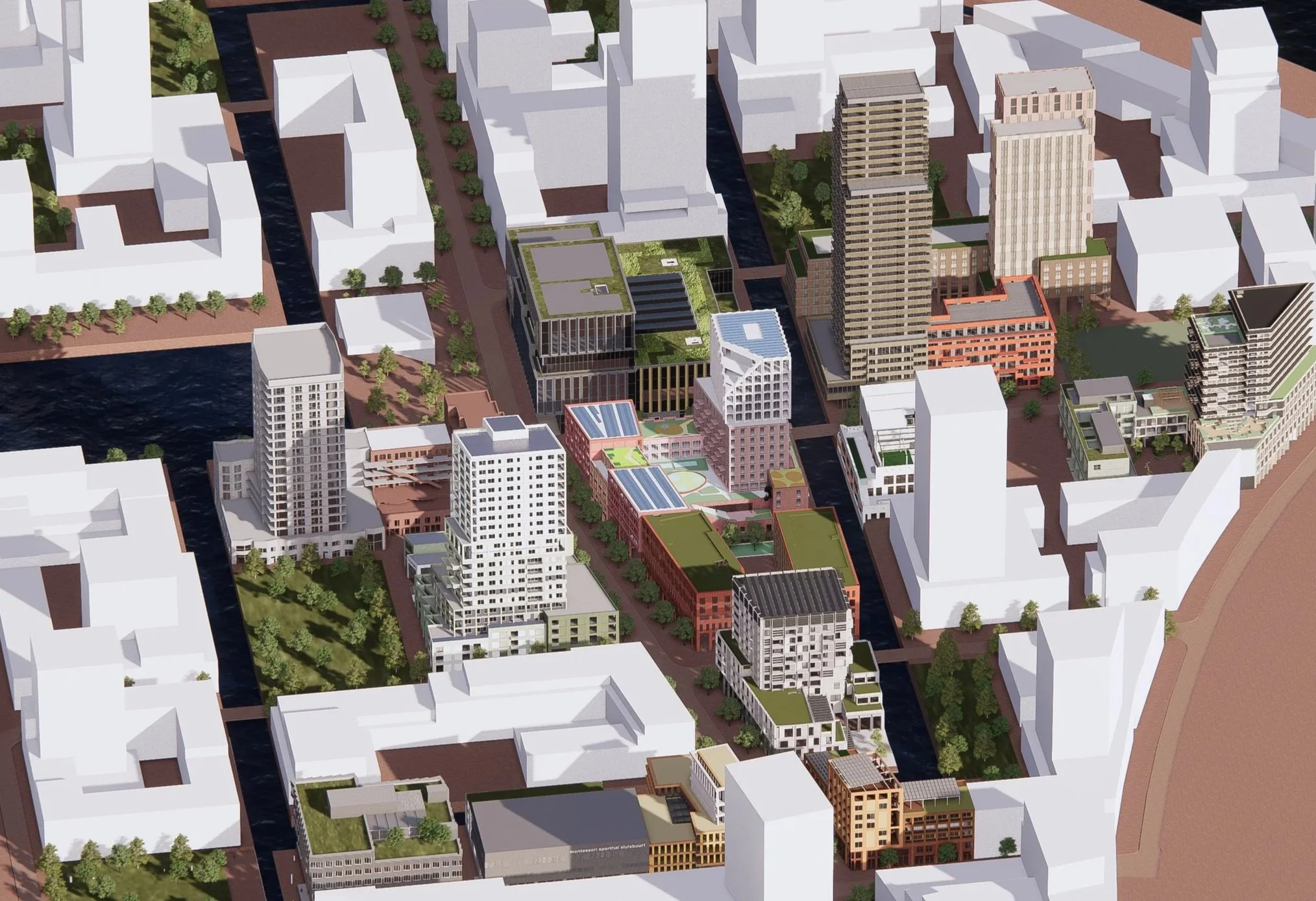
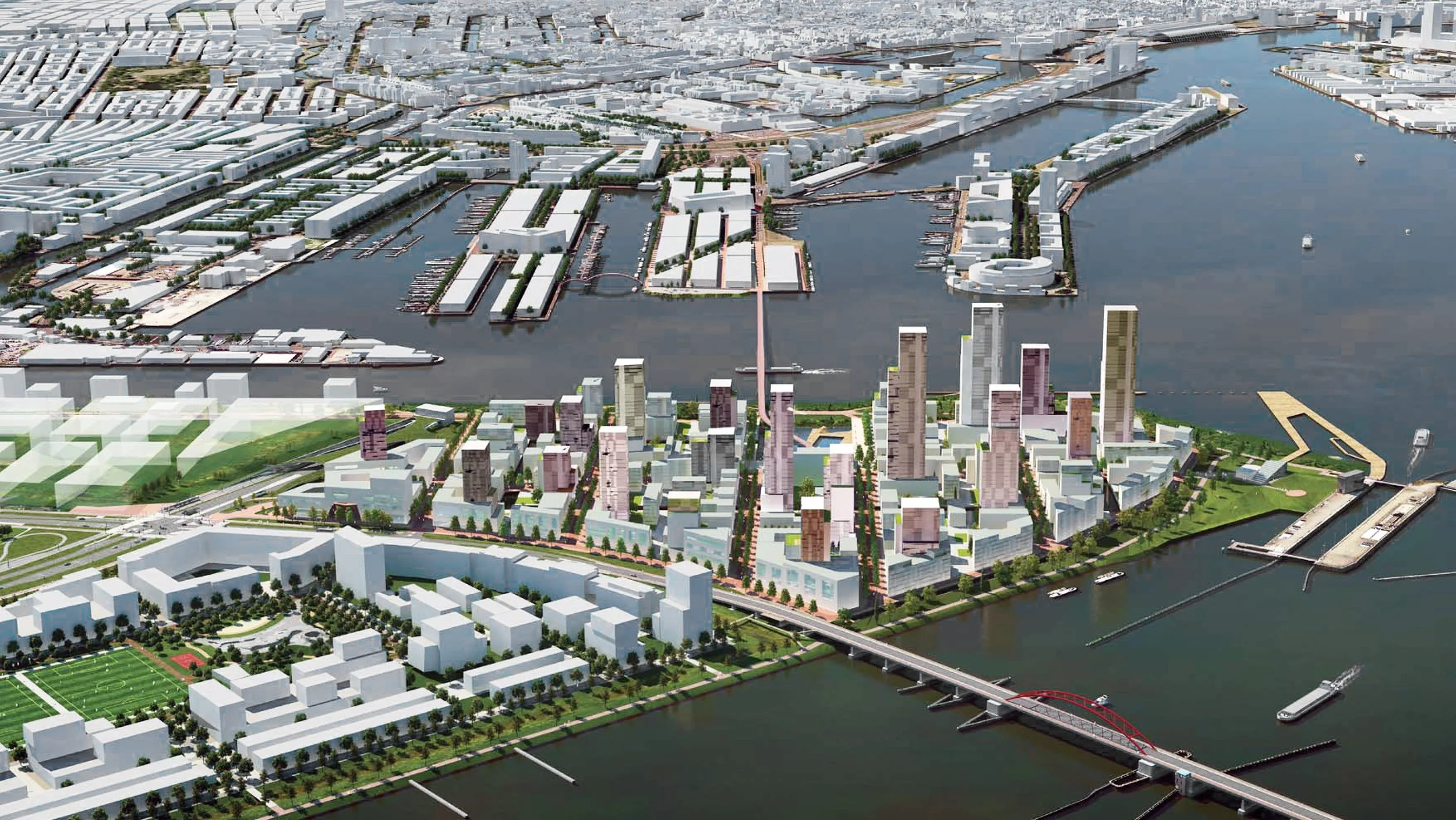
At the heart of the neighbourhood lies the Hoogstraat, a lively central spine that functions as both social and spatial backbone. This urban artery hosts shops, cafés and community facilities, and forms the primary cycling route through the district. Transparent, double-height plinths activate street level and foster a vibrant public realm, while a network of perpendicular east–west streets ensures permeability, long sightlines and direct connections to the IJ and surrounding city. Mid-rise blocks are interwoven with carefully positioned towers that shape the skyline and redefine vertical living. In total, 28 towers ranging from 30 to 143 metres create a dynamic ensemble rising above the water, balanced by generous setbacks, well-scaled podiums and ample daylight. Developed according to Amsterdam’s “rainproof” principles, the Sluisbuurt integrates green roofs and façades, water storage, canals and public spaces into a resilient urban landscape—offering a healthy, climate-adaptive and future-oriented model for city living.
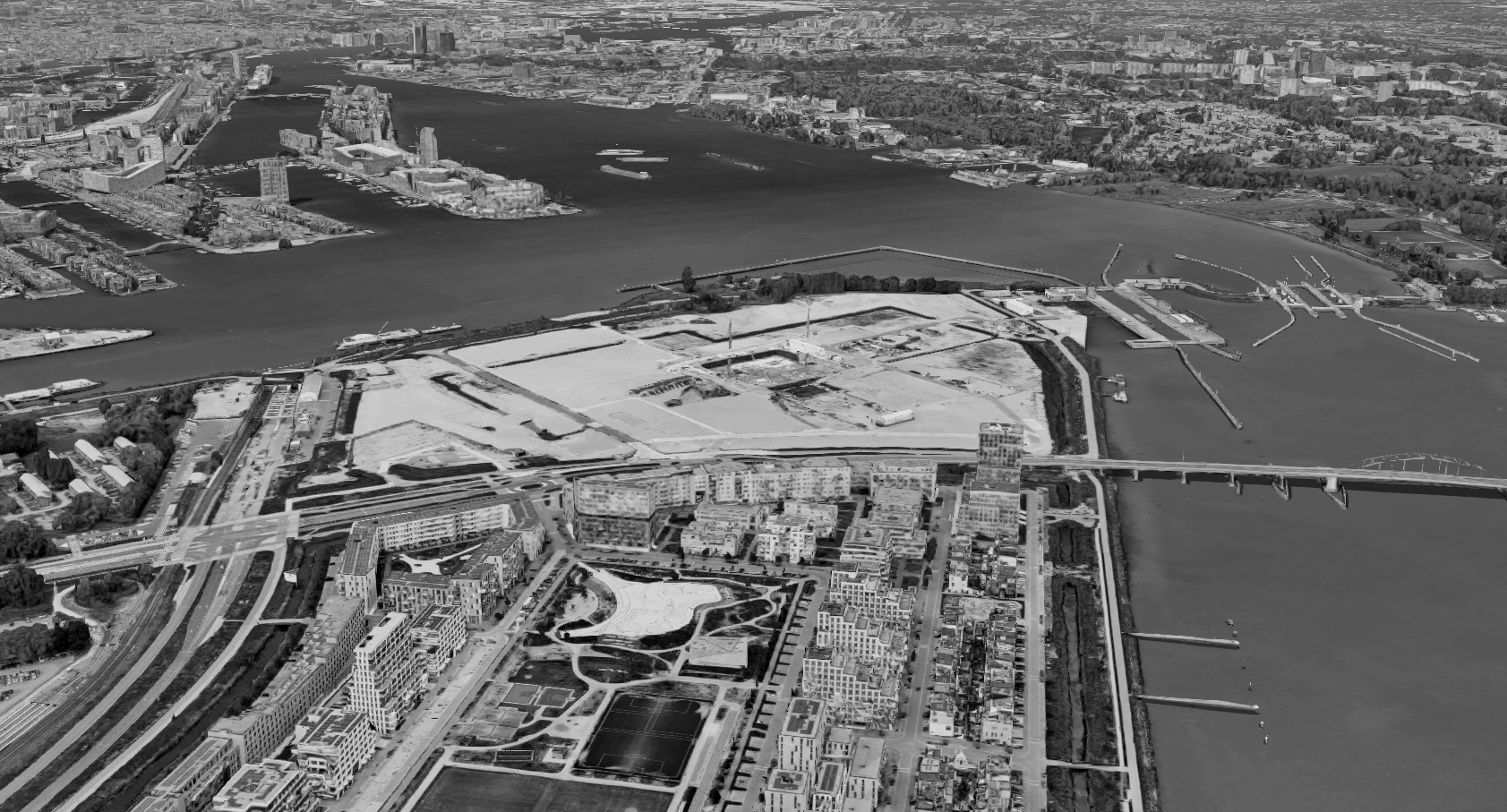
The City of Amsterdam is developing the Sluisbuurt on Zeeburgereiland as a new high-density, high-rise waterfront neighbourhood along the IJ River. Its prominent location offers the opportunity for a distinctive residential skyline close to the historic city centre. BurtonHamfelt Urban Architecture has played a key role in this transformation as chief architect of the urban plan and currently as acting Supervisor, guiding the realisation of Amsterdam’s first large-scale mixed-use high-rise masterplan. Embedded in the City of Amsterdam’s 2040 Structure Vision, the Sluisbuurt is conceived as a sustainable, green and inclusive district on the water. The masterplan accommodates approximately 5,500 dwellings, 30% affordable and 70% mid-range and higher market housing, combined with around 100,000 m² of mixed-use programme. A flexible spatial framework establishes a strong and coherent urban structure, while allowing architectural diversity, innovation and long-term adaptability across different plots and phases.