Green Living
Luxembourg, L
Location: Luxembourg, L
Year: 2004
Site: 120 ha
Program: Infrastructure, Sports,
Education, Housing
Client: City of Luxembourg
Associates: Inside Outside
Engineer: ARUP
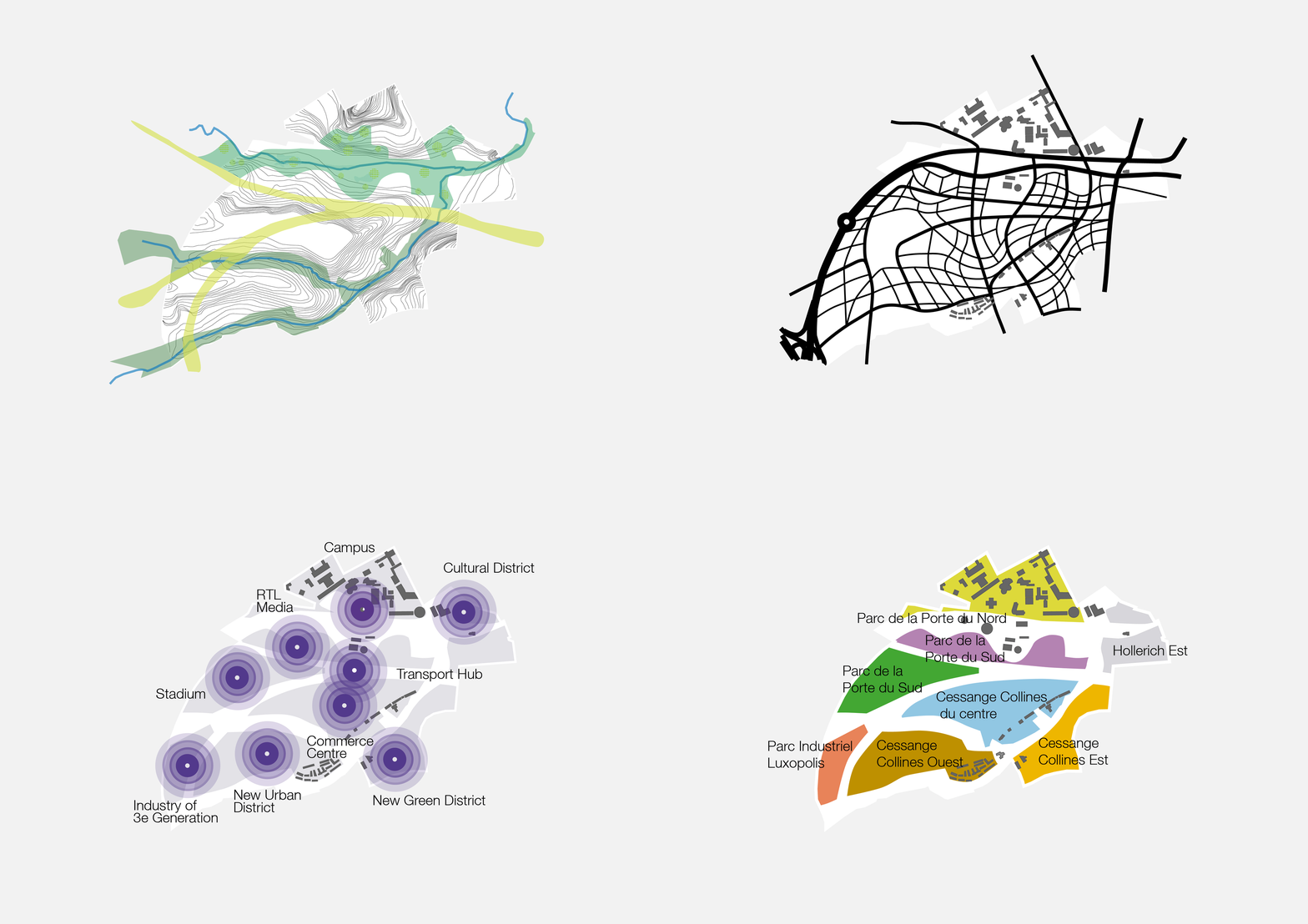
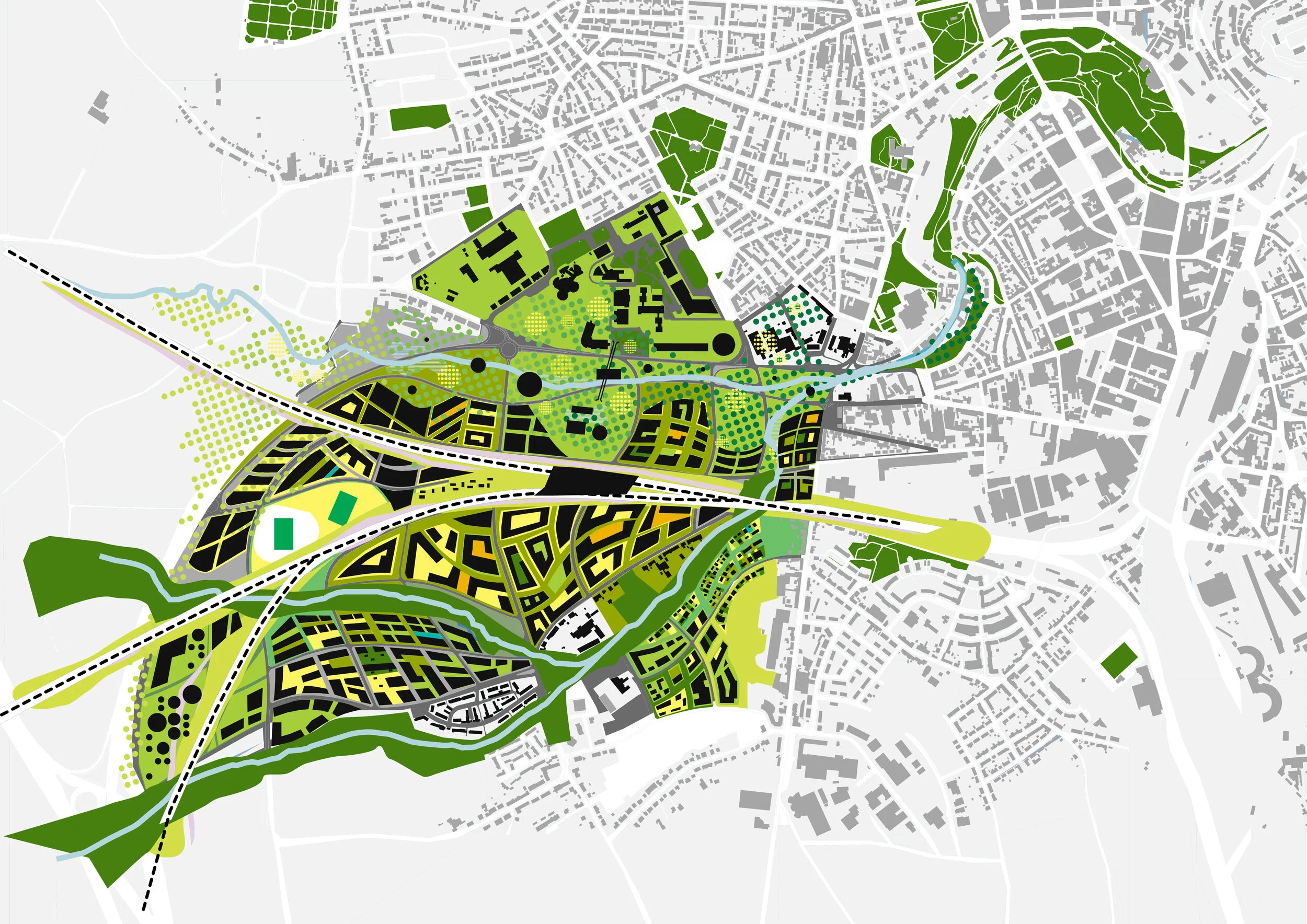
With the arrival of a new train station and transferium in Hollerich, Luxembourg has a timely opportunity to prepare for its next phase of urban expansion and to secure a prosperous, inclusive future for the next generation. Our proposal for the Porte de Hollerich—titled Luxopolis—sets out a conceptual framework for a new urban quarter structured around this metropolitan mobility hub. The project sees the station not only as infrastructure, but as the engine for a connected, compact and walkable district that strengthens the capital’s resilience and identity. Rather than imposing a fixed blueprint, Luxopolis establishes a clear set of spatial principles that can guide growth over time, aligning landscape, movement and urbanity into one coherent vision and enabling diverse programmes to coexist within a legible public realm.
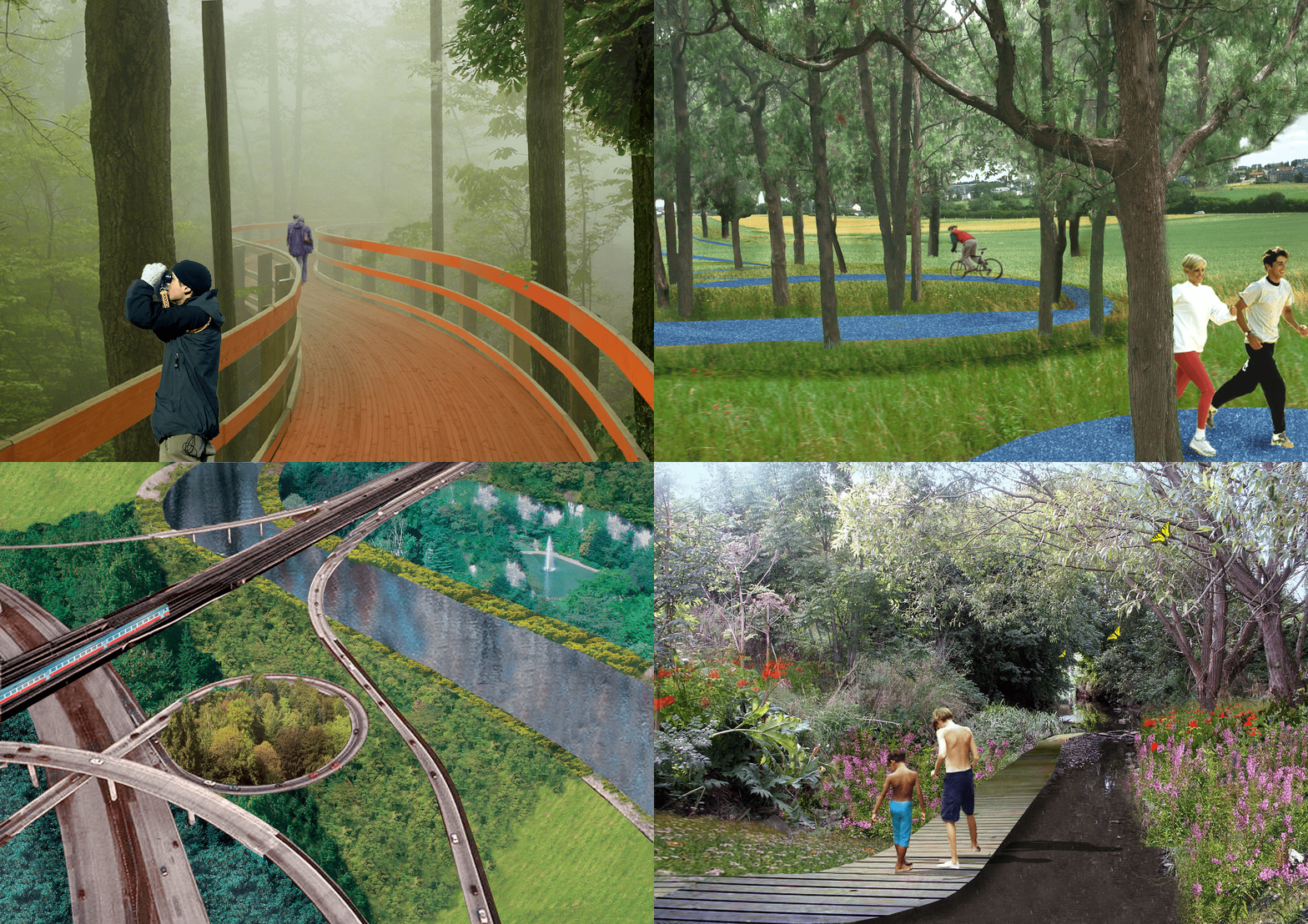
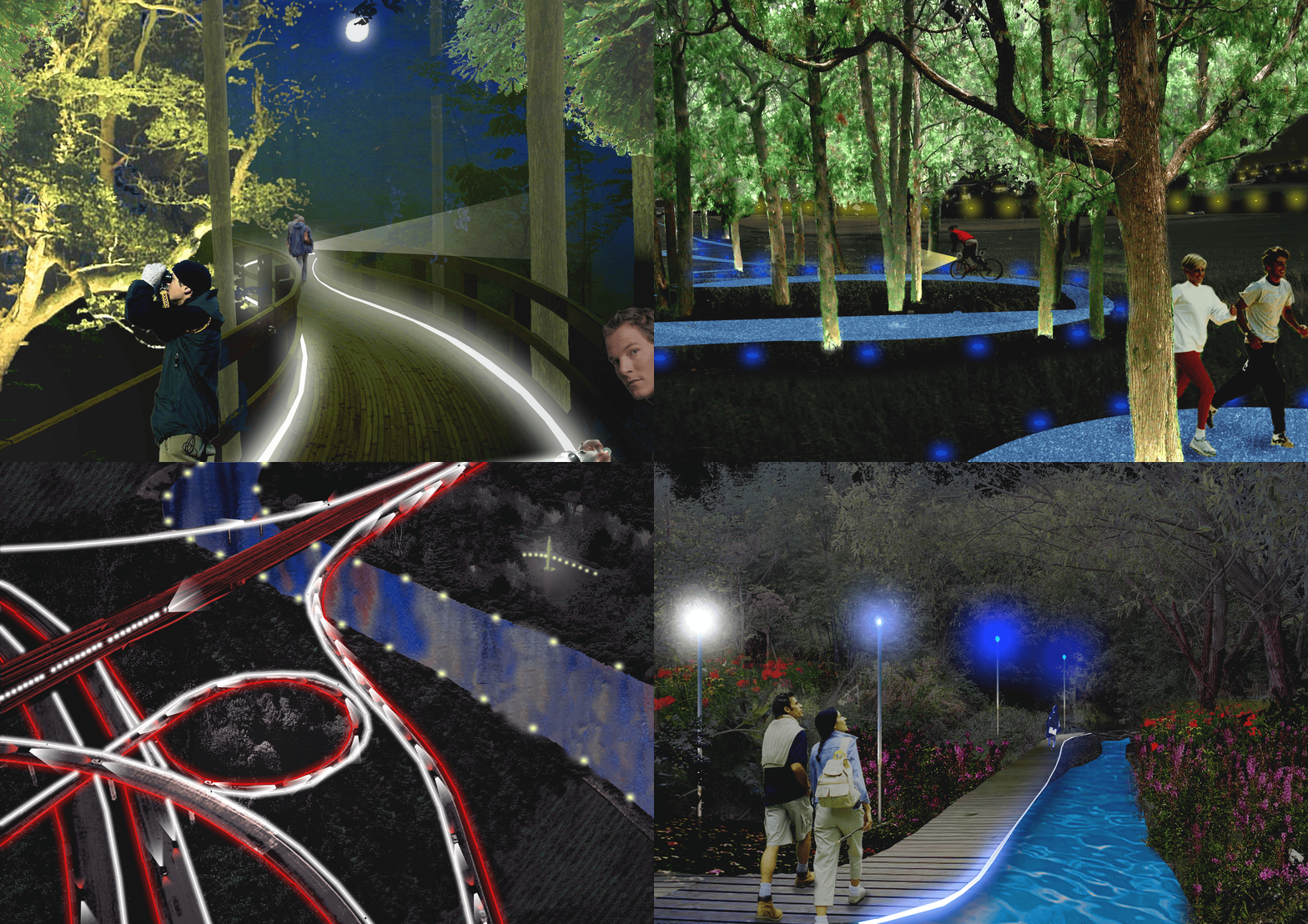
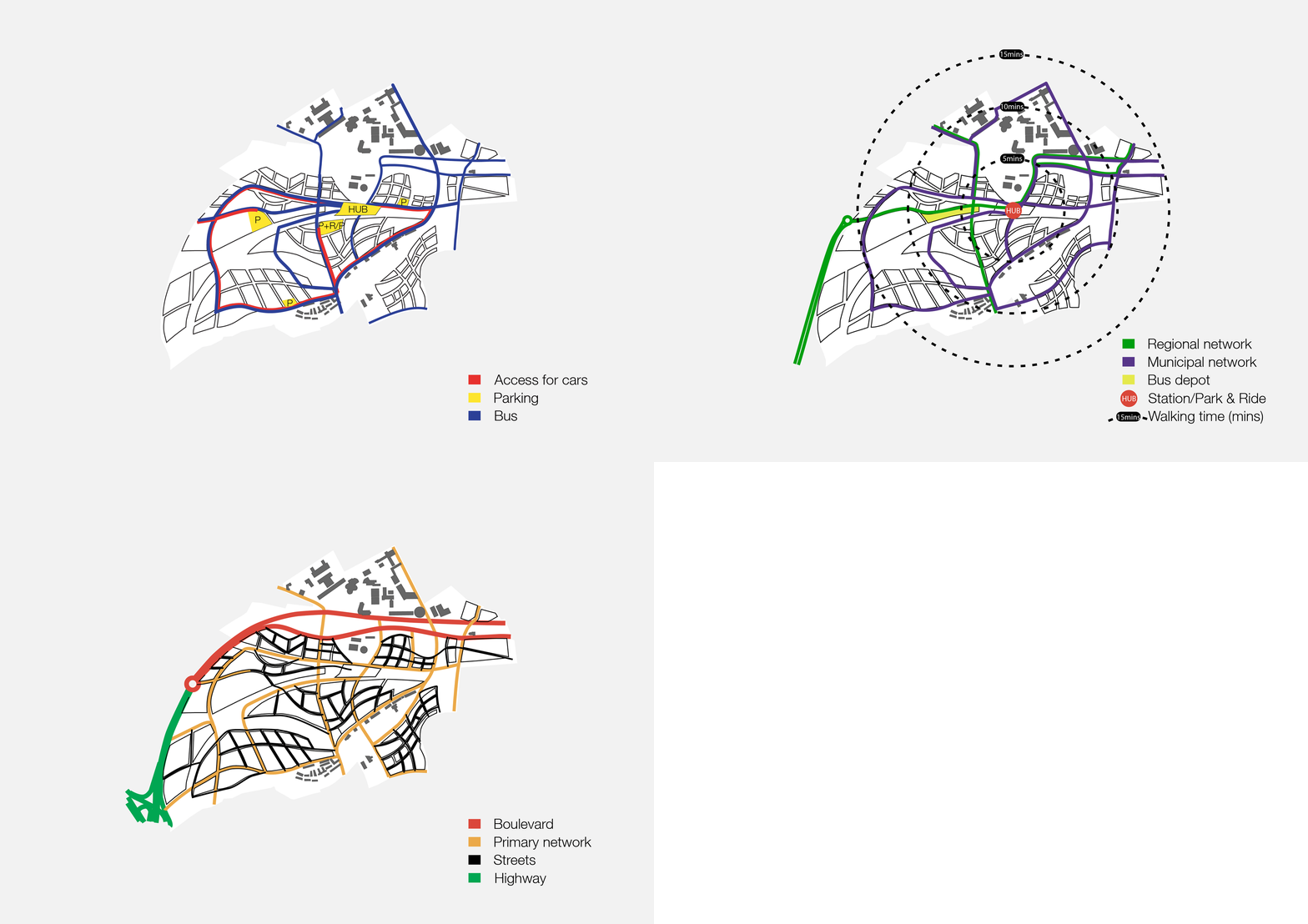
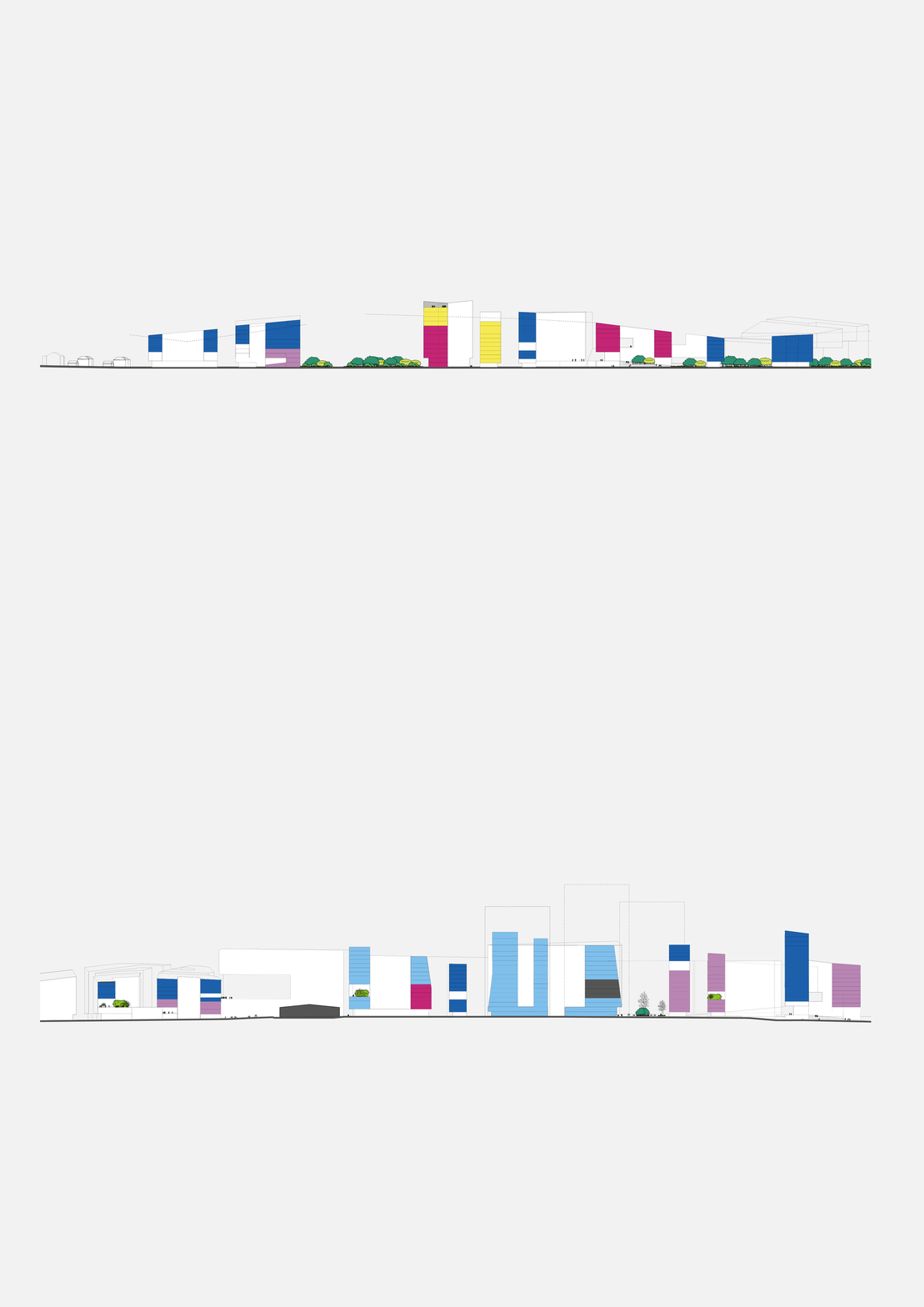
Luxopolis is organised through four planning objectives. Nature Near brings nature back as the primary generator of the plan, extending existing landscapes and restoring continuity with the site’s original geomorphology, so green space becomes structure rather than leftover. Traffic Science introduces a new mobility concept that reconnects flows through the area via a flexible, bent grid—supporting trains, buses, cycling and walking while reducing dependence on cars. Urban Intensity concentrates development into seven distinct districts, creating the critical mass needed for lively streets, mixed use and daily amenities. Finally, Organic Growth proposes an intelligent phasing strategy with multiple starting points and “seeding” instructions, enabling activity from day one while allowing the quarter to evolve incrementally. Together, these objectives shape a future-ready urban district: green, connected, intense, and adaptable over time.