Urban Housing Ecology
CiBoGa terrain, Groningen, NL
Location: CiBoGa, Groningen, NL
Design: 1997
Completion: 2003 (Europan III Competition 1993)
Site Footprint: 13.000 m2
Gross Floor Area: ca. 28.900 m2
Parking: 320
Total Number of Apartments: 145
Program: Housing, Commercial, Parking
Client: Development consortium IMA:
ING Vastgoed, Amstelland Ontwikkeling,
Bouwbedrijf MoesBV, Amvest Vastgoed
& Nijestee Vastgoed
Associates: DAAD Architecten BV, Beilen
Building Costs: €25,000,000
Photography: Jan Bitter
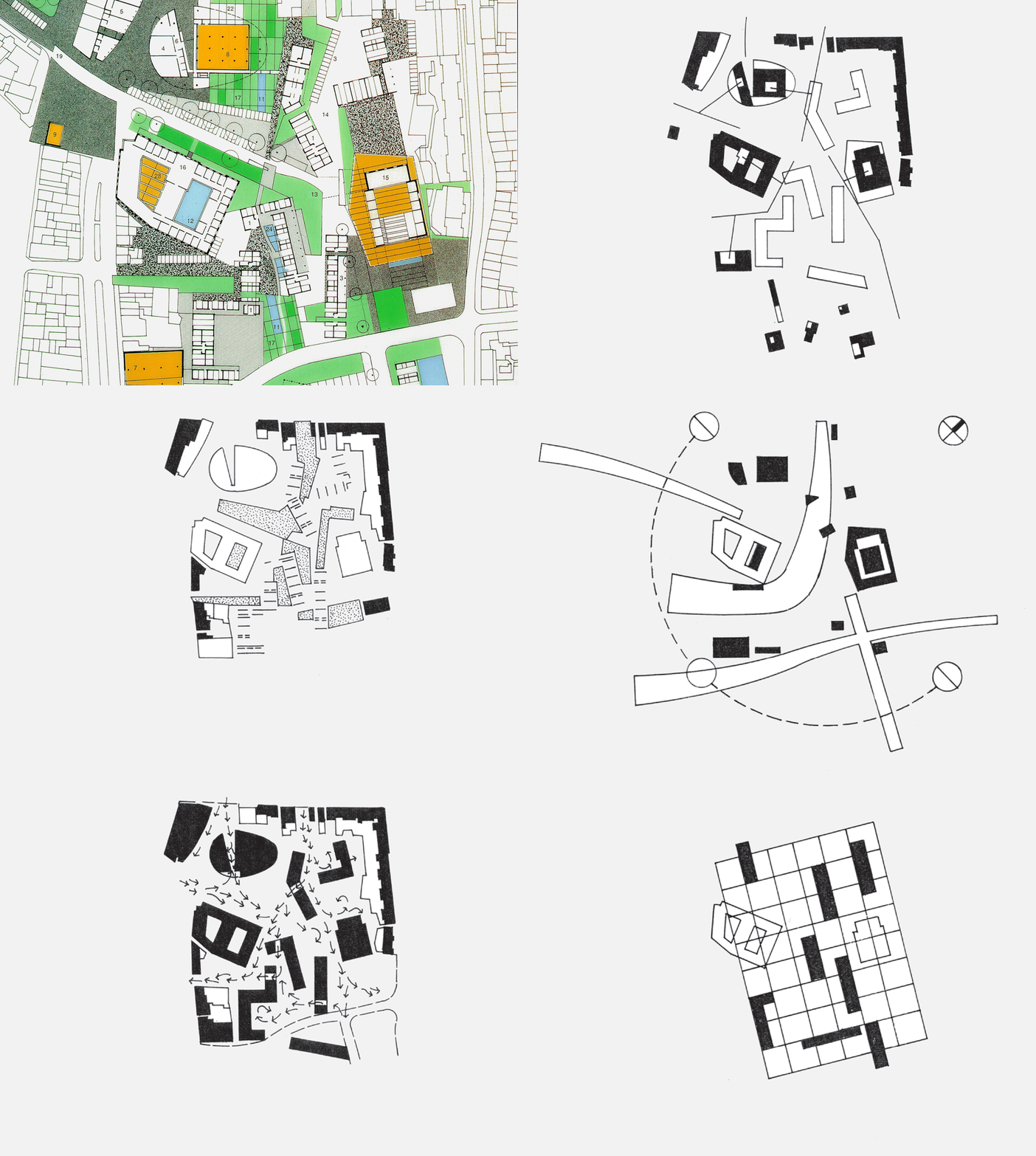
Following the Europan 3 prize-winning proposal, the Schots 1 and 2 buildings helped establish the foundational principles for the redevelopment of the Circus, Bodem and Gasfabriek (CiBoGa) site. In close collaboration with city planners, the project defined the site’s role within the city’s ecological structure, leading to progressive policies such as a maximum of 0.5 parking spaces per dwelling, a largely car-free public realm, and the replacement of contaminated ground through underground parking facilities. Research by S333 architecture + urbanism into housing typologies, energy alternatives and urban ecology positioned the project as a national pilot for sustainable urban renewal, including the initiation of governmental research into biomass energy. Schots 1 and 2 thus became a testing ground where environmental ambition, urban quality and residential innovation were brought together in one coherent development and set the standard for future development in the CiBoGa terrein.
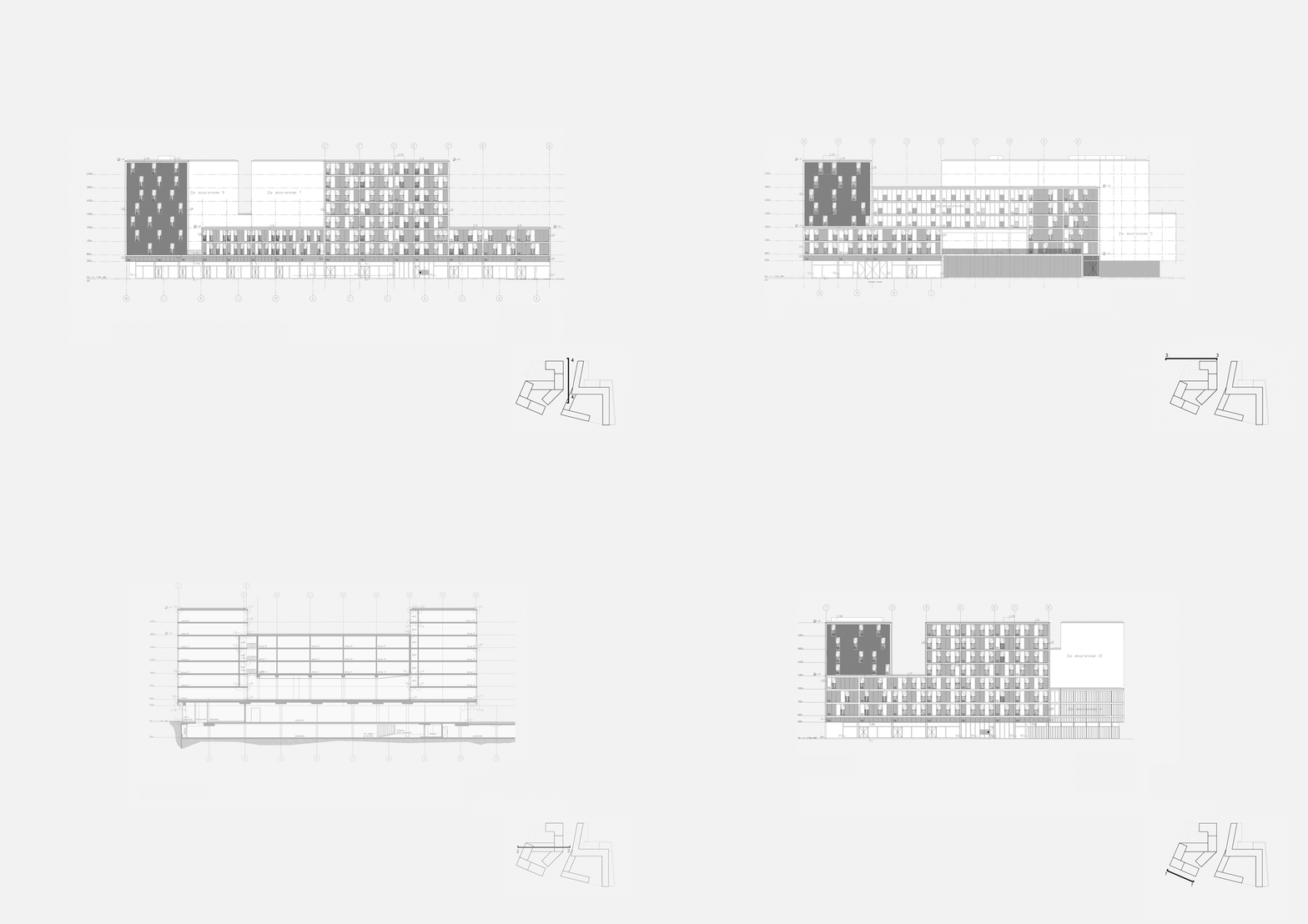
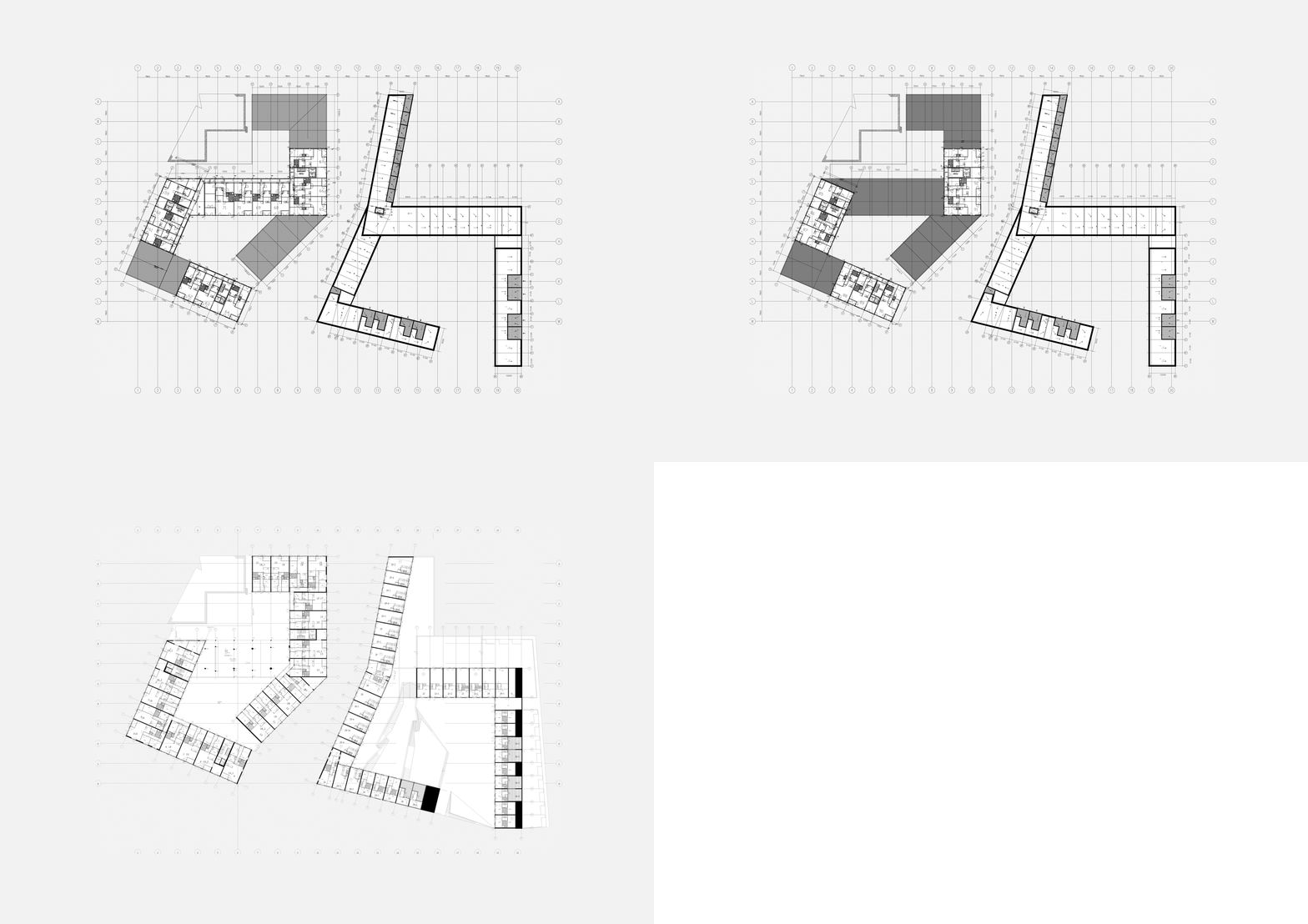
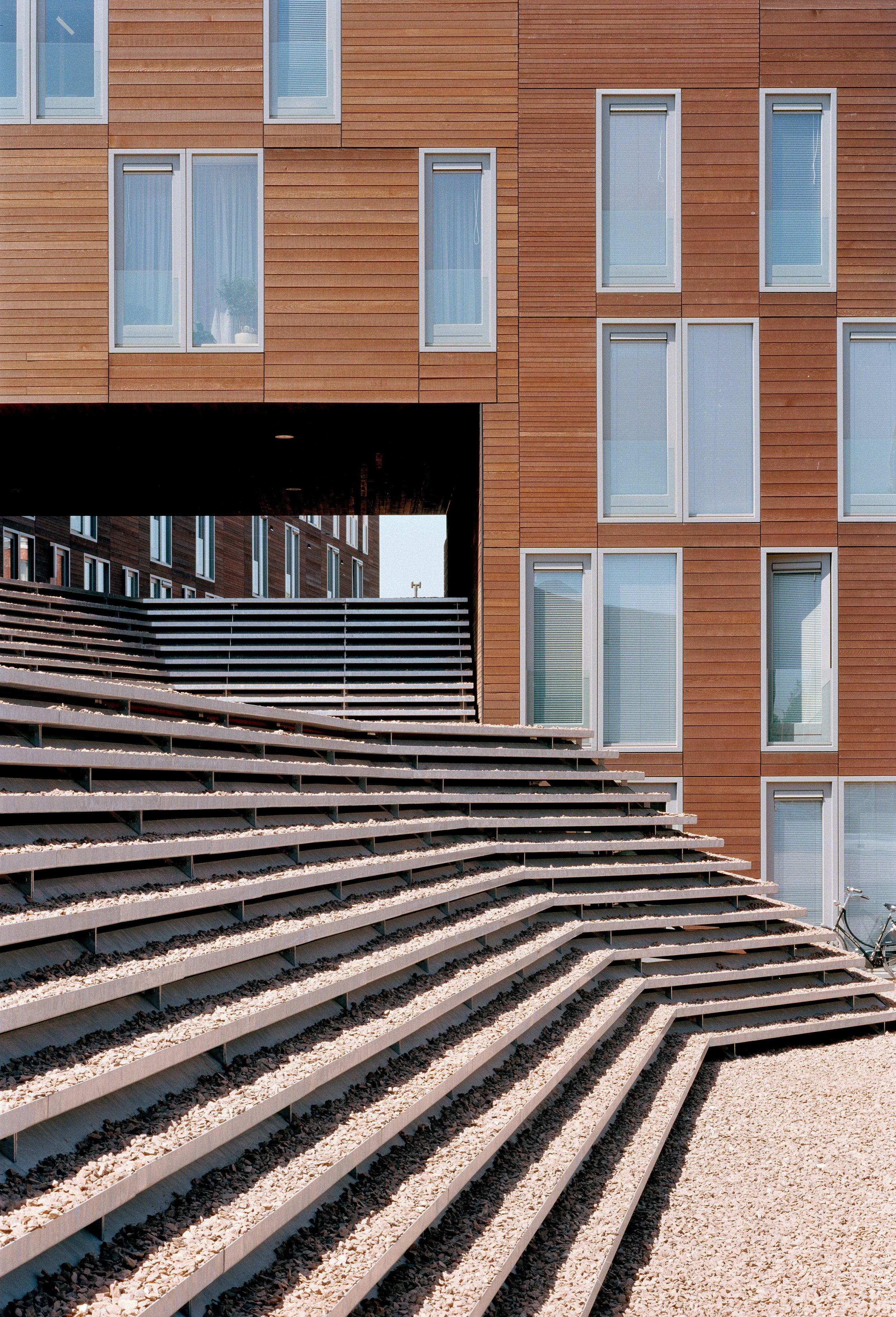
At street level, supermarkets and small shops activate the public realm, while the residential volumes above develop distinct identities. Schots 1 is conceived as a robust urban block, fully clad in glass and organised around a sequence of open and semi-open collective spaces with a generous arrival experience for residents. Its massing responds carefully to context, solar orientation and ecological patterns, with vertical greenery integrated to enhance biodiversity and reduce heat stress. Schots 2 contrasts this with a fully wooden expression, where housing is accessed via a sloping, landscaped ground surface that seamlessly connects street and first floor. Private gardens, ivy façades and green roofs form a three-dimensional roofscape that extends nature into the city. A warm material palette grounds the building in its surroundings while remaining contemporary. Across the site, a flexible base housing type is adapted to light, orientation and access, creating a rich variety of homes within a clear urban framework.